The guide
You increase occupancy by reaching the family member who makes the decision, at the moment they are quietly weighing it up, and giving them enough reassurance to enquire and then to visit. Occupancy rarely stalls because a home is not good enough. It stalls because the families who would choose that home never see it clearly, or see it too late in their search.
Updated July 2026
Filling private beds is about reaching the right person early and reassuring them. In brief:
The decision-maker
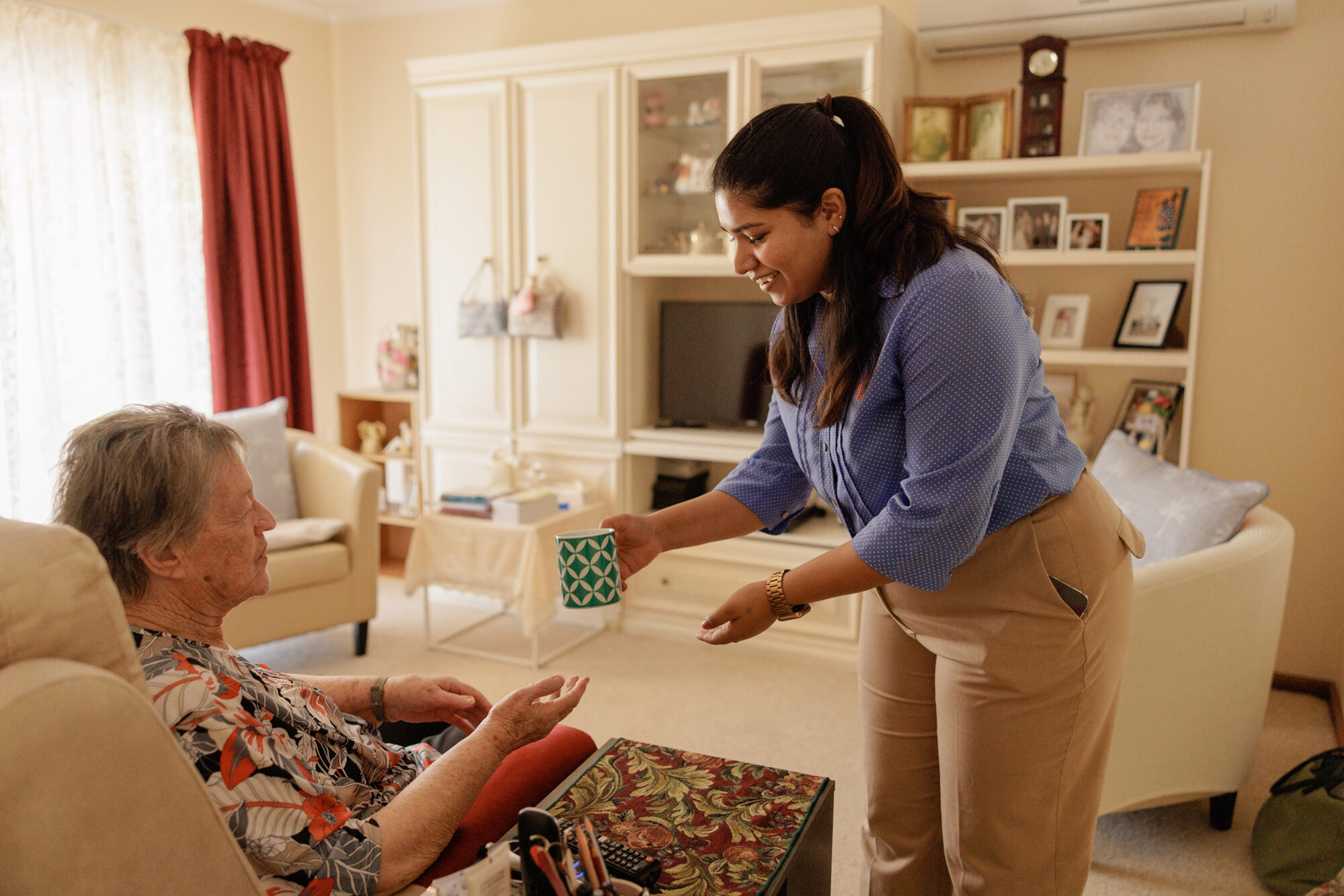
The person who chooses the home is usually the adult child, not the resident. For most families the move is prompted by a fall, a hospital discharge or a slow decline, and it is the son or daughter, often a woman between her late thirties and mid sixties, who carries the research and the final call. They are not always actively searching. Often they are thinking about it in the background, between work and their own family, and the home that speaks to them at that moment is the one that gets the enquiry.
This matters for occupancy because it changes who you are trying to reach. You are not marketing to a resident comparing brochures. You are reaching a worried relative who wants to feel that their mum or dad will be safe, settled and cared for. Get that reassurance in front of the right person and the enquiry follows.
Where they look
Families start online and compare homes before they ever pick up the phone. Directories are where they build a shortlist, and they work well for that. The catch is where they reach their limit.
Where it reaches its limit
A directory reaches families only after they have decided to look, and it places your home beside every competitor on the same page. It cannot reach the relative who has not started searching yet, and it does not let your home have its own conversation. That is the gap most homes need to close.
What actually works
The ones that reach the decision-maker earlier and let your home speak for itself.
The first impression for a family searching your area. A well-kept Google Business Profile and site build local trust, and a weak one loses enquiries before anyone reaches you.
Reaches the adult child mid-scroll, in their own feed, and starts the reassuring conversation before they are lined up against ten other homes. Because most residents come from a small radius, the reach is precise, not wasteful.
Self-funders make up 48.9% of residents in homes for older people, the highest of any type, and they look for homes that show daily life honestly. Reaching them directly is one of the most reliable ways to lift private occupancy (ONS).
The trust
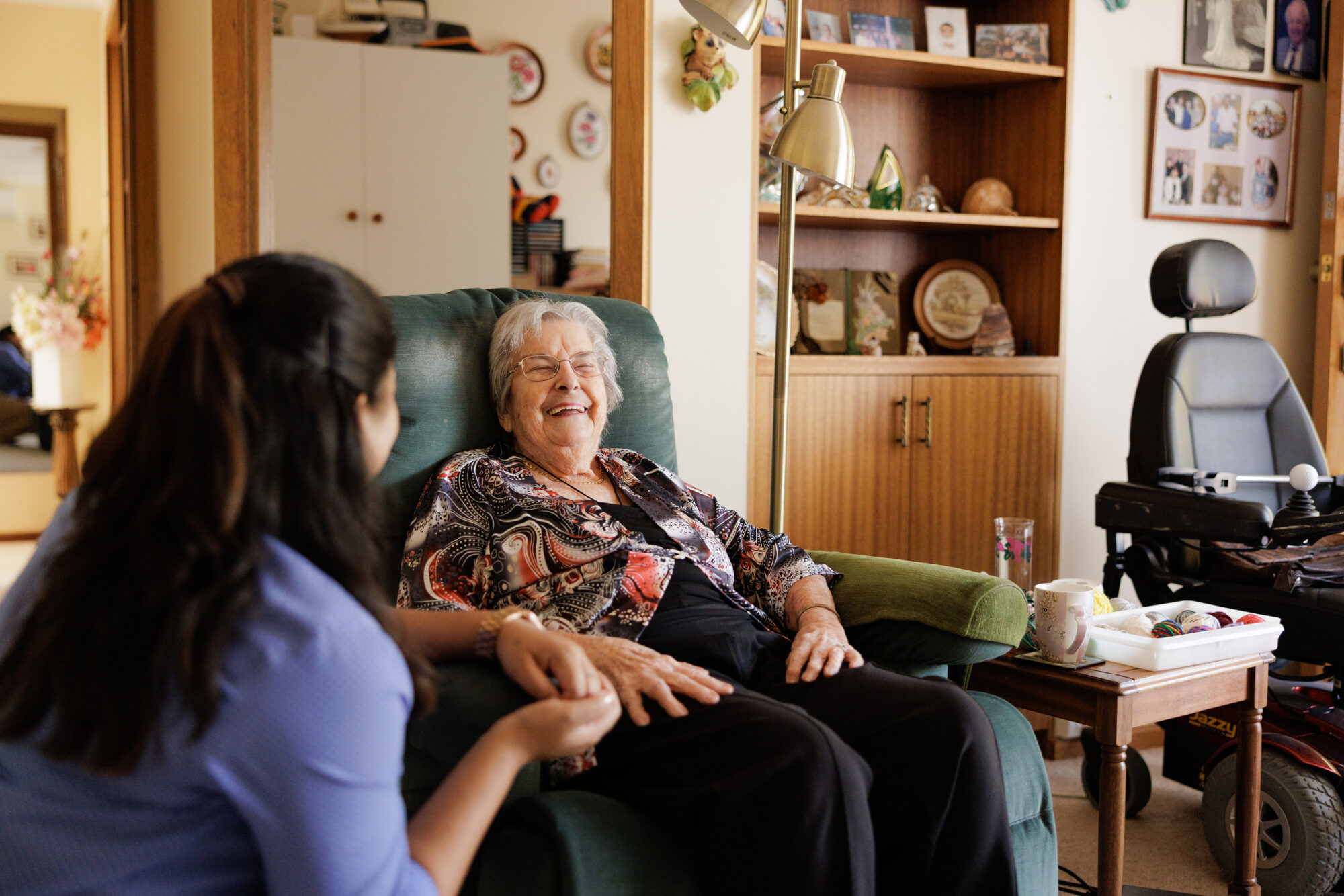
The content that earns trust is real people telling their own story, above all family members talking about the moment they knew their relative was in good hands. A daughter describing how she felt walking out of the home that first day does more than any list of facilities, because a family recognises themselves in her. These films work because they are true. They are real families and real staff, never staged or artificial, and that authenticity is exactly what a worried relative is looking for.
Family testimonial films are the most powerful tool in care marketing and almost nobody uses them well. A single honest story, one specific moment rather than five minutes of general praise, is what stays with a family and turns a quiet browser into an enquiry. The care already happening in a good home is the strongest marketing it has. It simply needs to be shown, with consent and compliance handled properly, so families can see it before they visit.
The follow-up
Quickly, with a named person, and with warmth rather than pressure.
Enquiries go to a dedicated person, not a manager's already full day, so the follow-up actually happens and happens quickly.
A warm reply and a clear invitation to visit, never a sales pitch. This is an anxious, emotional decision, and the first contact needs to feel calm.
A visit that lets the family see their relative settled there, safe and genuinely cared for.
Interest is fragile at this stage. Reassurance, not persistence, is what carries it through to a confirmed move-in.
The numbers
Occupancy across the sector is stable and high, which means the beds you want are competitive. As of mid May 2026, 86.1% of care home beds in England were occupied, ranging from 82.5% in the East Midlands to 90.6% in London (GOV.UK adult social care statistics).
A stable sector average is good news and a warning at once. It means demand is steady, so a home sitting below the local average is almost always losing winnable families rather than facing a shortage of them. Closing that gap is usually about visibility and follow-up, not about the quality of care inside the building. The honest, hopeful read is this: the families are there, and reaching them well is something a home can genuinely fix.
Common questions
Most homes see enquiry volume improve within the first couple of months of reaching families directly, with move-ins following as those enquiries mature. Occupancy is a steady climb rather than an overnight jump, because families take time to decide and move.
Yes. Directories are where families build their shortlist, so being present and well presented there matters. The point is to add channels that reach families earlier and let your home speak for itself, not to abandon the directory.
They work well when they reach the right person, the adult child making the decision, with genuine content rather than a hard sell. Local targeting and real family stories are what make the difference between spend and results.
Reaching the decision-maker early with something that reassures them, then following up quickly with a named person. Most lost occupancy comes from families who never saw the home clearly, or who enquired and were not called back in time.
For homes for older people they are nearly half of all residents, so reaching them directly is one of the most dependable ways to lift private occupancy rather than waiting on placements.
Keep reading
Why Facebook and Instagram reach families before they search, how the targeting works, and what it costs.
How care home marketing worksThe full picture: how families really choose a home, and what fills private, self-funded beds.
How we find your residentsThe managed Meta campaign that puts your home in front of the local families deciding now.