The guide
Yes, when they reach the right person, the adult child who makes the decision, with genuine content rather than a hard sell. Meta lets your home start a reassuring conversation with a family before they have begun comparing homes, which a directory or a search result cannot do. Where the spend is wasted is when the targeting is loose or the content feels like an advert instead of a real story.
Updated July 2026
Meta ads work for care homes when they reach the right family early with a genuine story. In brief:
Why they work
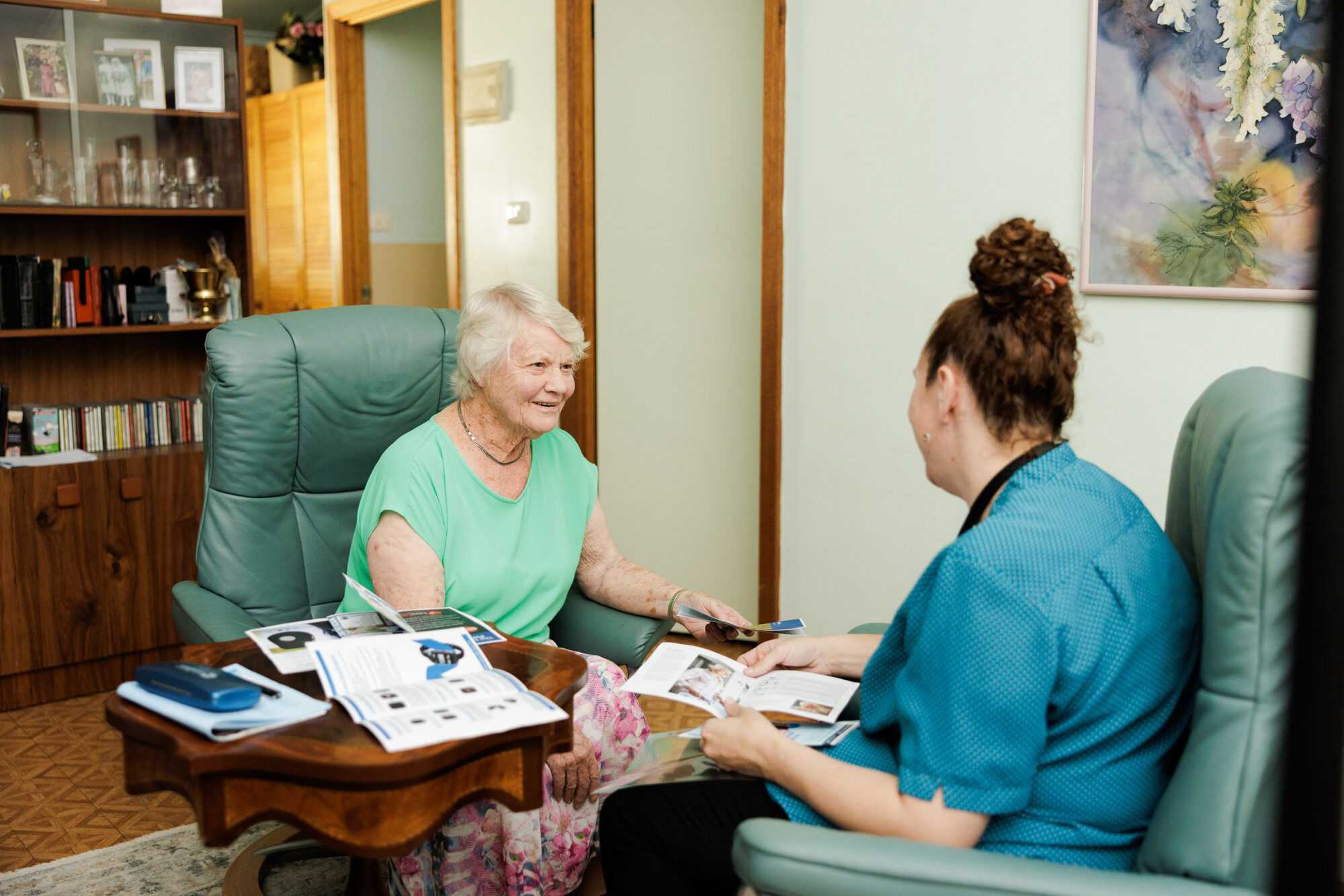
For most families, trust in a care home is formed long before anyone picks up the phone. A 2026 national study by Log my Care and Care England, surveying 1,000 people who had arranged care for a relative, found that trust is often built, or lost, before a provider is even contacted (Care England and Log my Care). If the first time a family notices your home is when they are already comparing a shortlist, you have arrived after the most important part of the decision has happened.
Meta ads work because they let your home reach that family during the quiet, early stage, in their own feed, while they are still thinking about it rather than actively searching. That is the moment reassurance matters most. It is also why a badly run ad fails: if it targets the wrong people, or leads with a sales message instead of a genuine story, it reaches families who are not ready and says nothing that stays with them.
Who they reach
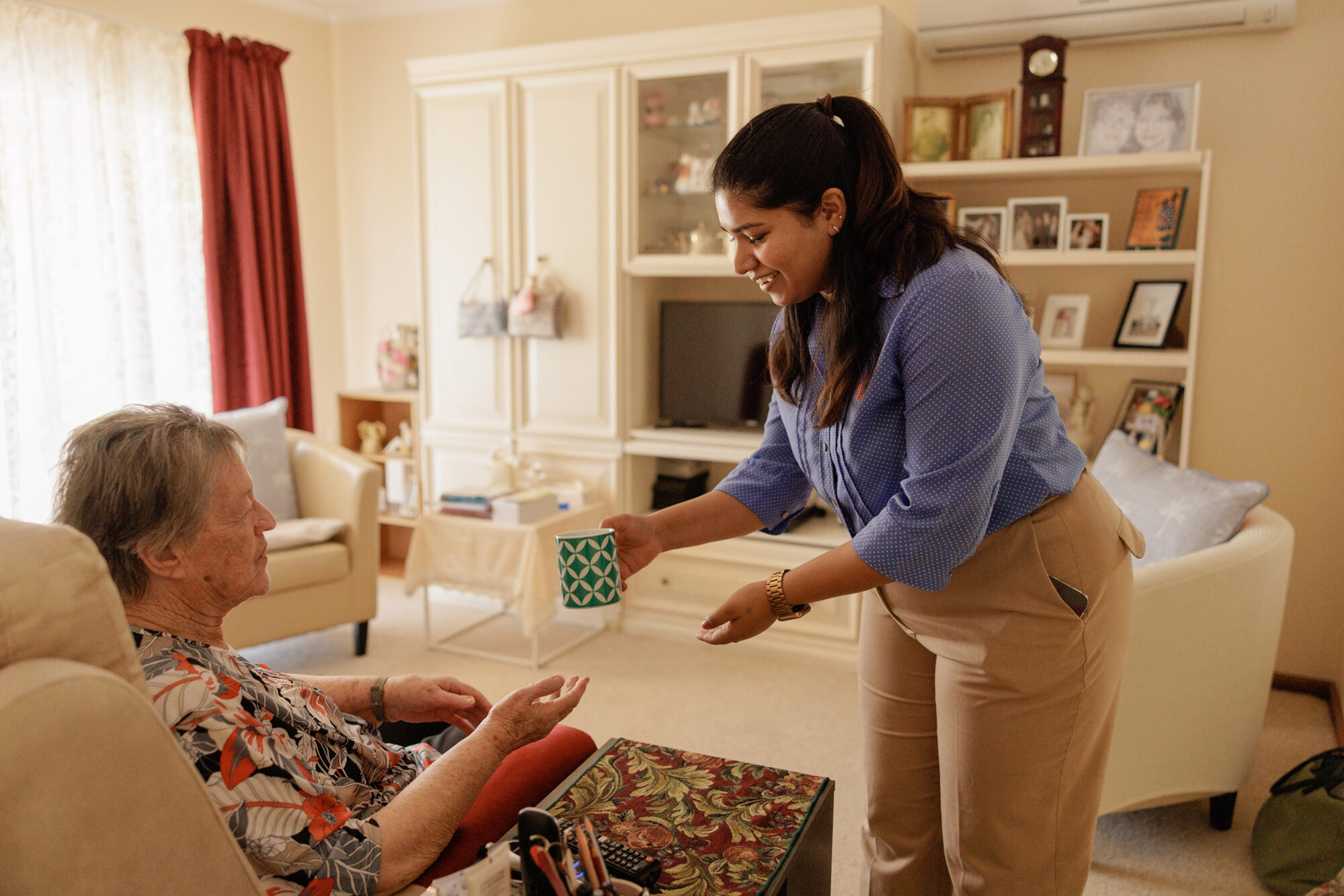
They reach the adult child, not the resident. For most families the move into care is prompted by a fall, a hospital discharge or a slow decline, and it is the son or daughter, often a woman between her late thirties and mid sixties, who carries the research and makes the final call. That is exactly the person Facebook is built to reach in the UK.
Facebook remains the most effective platform for reaching UK consumers aged 45 and above, and it is where the 35 to 54 and over 55 age groups spend the most of their social media time (Sprout Social). With around 38.8 million Facebook users in the UK, the family member you most need to reach is not only on the platform, they are one of its most engaged age groups, and you can reach them locally, because most residents come from within a small radius.
The comparison
They do a different job, earlier in the family's journey. All three work, and they work best together. The research shows how families actually find care: directories were used by 55%, online search by 40% and word-of-mouth by 38% (Care England and Log my Care). Read the table below as a case for adding Meta, not for dropping anything, and for reaching the family who actually decides earlier.
| Channel | When it reaches the family | What it does well | The ceiling |
|---|---|---|---|
| Directory listing | Once they are actively searching and shortlisting | Helps families compare homes side by side; expected and trusted | Only reaches families already looking; your home sits beside every rival on the same page |
| Google and local search | When they search a term or your area | Captures active demand; a strong Google Business Profile builds local trust | Depends on the family already searching; limited room to tell your story |
| Meta ads (Facebook and Instagram) | Early, before they start comparing, in their own feed | Reaches the decision-maker precisely and locally; lets your home start the conversation | Needs genuine content and careful targeting, or the spend is wasted |
The craft
Real people telling their own story. Family testimonial films are the most powerful tool in care marketing, and almost nobody uses them well.
A daughter describing how she felt walking out of the home that first day does more than any brochure, because a worried relative recognises herself in her.
A single honest story, one moment rather than five minutes of general praise, is what stays with a family and turns a quiet browser into an enquiry.
Real families and real staff, filmed with consent and compliance handled properly, never staged and never artificial. The care already happening in a good home is the strongest thing it has to show.
Self-funders
Yes, and it is one of the strongest reasons to use them. Self-funding families choose a home directly rather than waiting on a placement, and they are a large share of the picture: in care homes for older people, self-funders make up 48.9% of residents, the highest of any type (Office for National Statistics).
They research carefully and look for homes that show them what daily life is really like, and they move on quickly from a home that feels closed or vague. That plays directly to Meta's strength, because a genuine family story reaches them early and shows, rather than claims, what a home is like.
Measuring it
You judge them on enquiries and visits from the right families, not on likes or reach for its own sake.
The noise to ignore
This is how to tell good marketing from expensive noise. If a provider cannot show you what their work produced in real enquiries, be cautious, however good the ads look. The point of Meta for a care home is not attention. It is the right families reaching out, and then moving in.
The honest part
They do not work in three situations, and it is only fair to name them.
Meta rewards genuine content. You cannot honestly film families reassuring other families if the experience does not warrant it.
Ads that produce enquiries no one answers quickly are wasted, because interest at this stage is fragile and fades fast.
Families making one of the hardest decisions of their lives respond to reassurance, not pressure. An advert that feels transactional pushes them away.
None of that is a reason to avoid Meta. It is a reason to do it properly: real content, precise local targeting, and a warm, prompt reply from a named person when a family reaches out.
Start a conversation
Common questions
Yes, when they reach the adult child who makes the decision, in their own feed, with genuine content rather than a hard sell. Meta lets a home start a reassuring conversation with a family before they begin comparing homes, which is something directories and search cannot do. The spend is wasted when the targeting is loose or the content feels like an advert.
They do different jobs, so it is not really one against the other. Directories are where families build a shortlist once they are already searching, and they work well for that. Meta reaches the family earlier, before they have started comparing, and lets your home speak for itself. Most homes are best served by keeping the directory and adding Meta to reach families sooner.
Primarily the adult child, usually a son or daughter between their forties and sixties, who carries the research and the final decision. Facebook and Messenger are where this age group spends the most social media time in the UK, which is why local Meta targeting reaches them so precisely.
A real family telling their own story. A daughter describing the moment she knew her mum was in good hands does more than any list of facilities, because a worried relative recognises themselves in her. These are real people, filmed with consent and compliance handled, never staged or artificial.
Judge them on enquiries and visits from the right families, not on likes. Good work is measurable and walked through with you on a call: who the ads reached, how many enquiries followed, and how many became visits and move-ins. If a provider cannot show you that, be cautious.
Keep reading
Where families actually decide, which channels reach them, and how to turn interest into confirmed move-ins.
Meta ads for care homes, explainedHow the targeting works, what it costs, and how to advertise without sounding like an advert.
How care home marketing worksThe full picture: how families really choose a home, and what fills private, self-funded beds.