The guide
Yes. A family testimonial video works because it lets a real family describe, in their own words, the relief they felt after their mother or father moved in, and it does that at the exact moment another family is quietly deciding. Families trust the words of other families more than any claim a home makes about itself.
Updated July 2026
A family film gives your best proof a human voice, at the moment a family is deciding. In brief:
The format
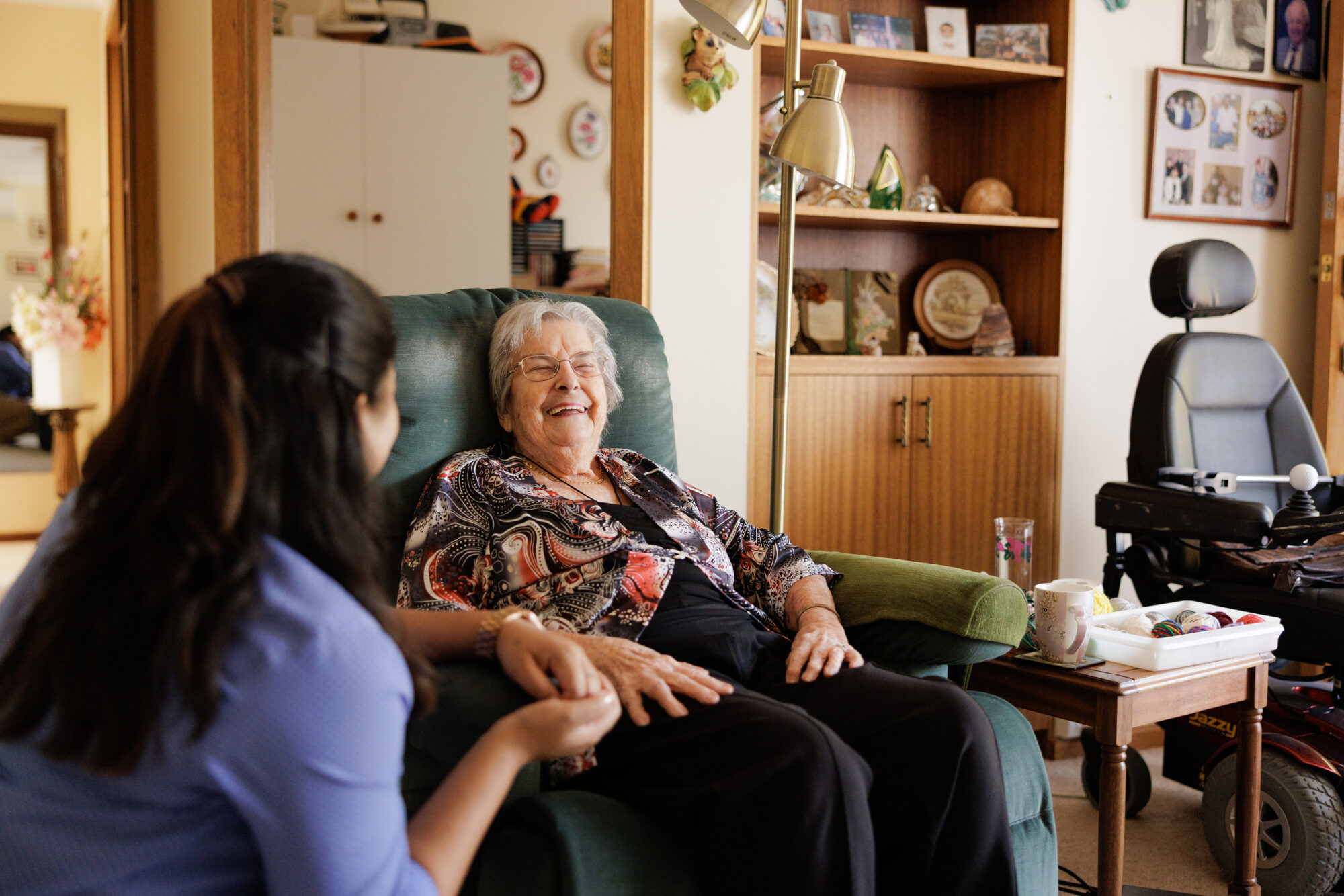
It is a short, professionally filmed piece in which a resident's family talks honestly about their experience of your home. It is not an advert with actors, and it is not a promotional voiceover over stock footage. It is a real daughter, son or spouse, filmed with care and consent, describing what it was like to hand over the day to day care of someone they love, and what changed once they did.
The films we produce are always real people. We never use AI-generated faces or voices, because families can tell, and because a manufactured story is the opposite of what this format is for. A good film weaves three things together: a family member speaking to camera, warm observational moments of daily life, and enough context that a viewer understands who this family is and why they chose you.
Why it works
Because reassurance from someone who has already made the decision carries more weight than any brochure. Three things make the format strong.
Families believe other families. carehome.co.uk alone now hosts more than 400,000 verified reviews from residents and relatives, over 170,000 more than Google holds for the same homes (carehome.co.uk, 2025). A film is the richest form a review can take.
Video holds people in a way text does not. In Wistia's 2025 analysis of more than 14 million videos, roughly a third of visitors to a contact page pressed play, and films under a minute held the highest engagement of any length (Wistia, 2025).
A film shows the thing that matters most and is hardest to describe: how your home feels. A written review can say the staff are kind. A film lets a family's face show it while they say it.
Who it is for
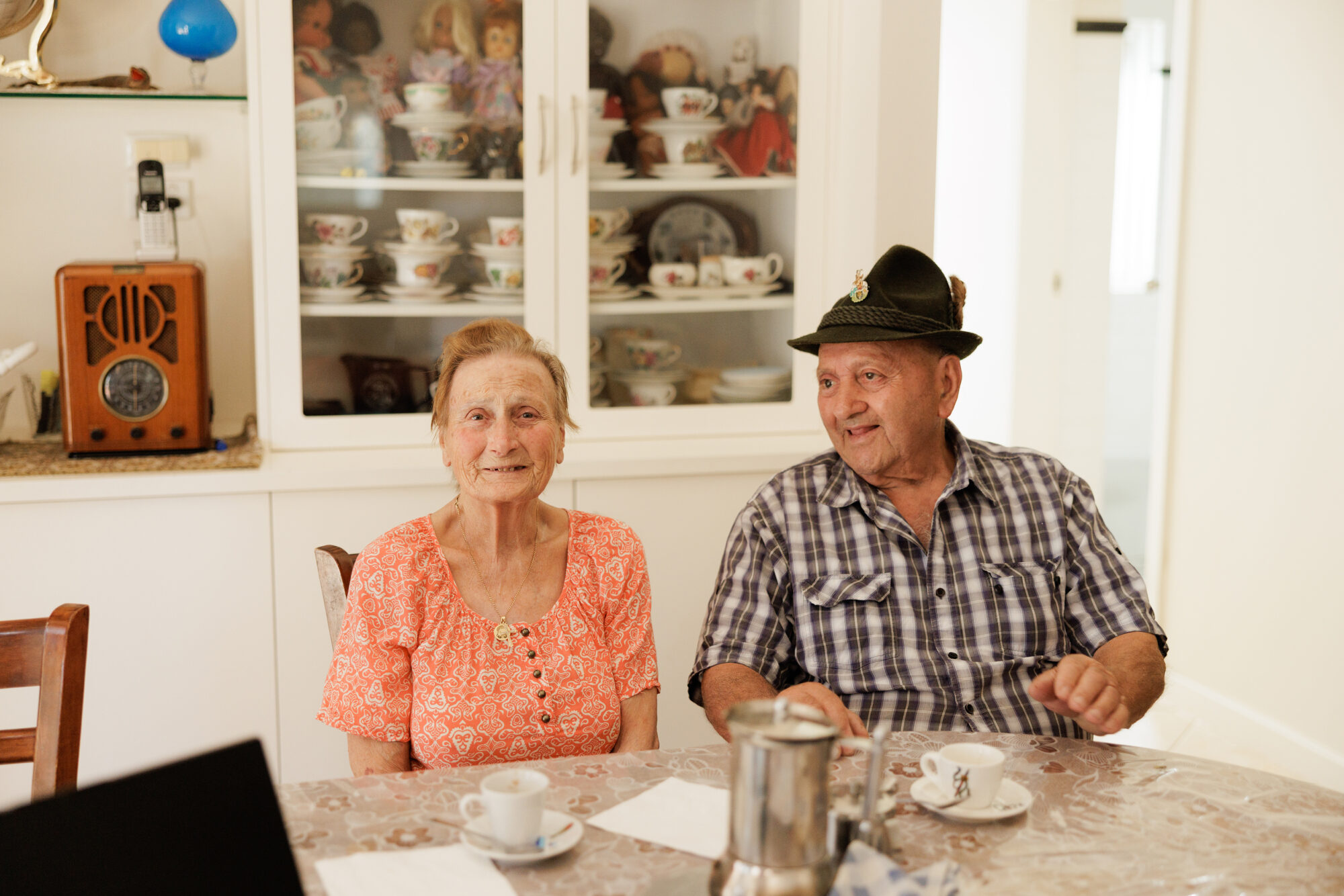
They are for care homes whose care is genuinely good and who want families to see it before they enquire, rather than only after they visit. If your home does excellent work but relies on word of mouth and a quiet website to carry that message, a film gives your best proof a way to travel.
They suit homes trying to reach adult children, who are usually the ones searching. The decision-maker is rarely the resident and rarely someone actively shopping around. It is a daughter or son, often caught in a spare five minutes, carrying the worry alone, which is exactly how a family film performs when families see it mid-scroll. A film is less suited to a home that is not ready to be seen, or where consent and dignity cannot be handled properly.
The commercials
Care home video work is usually priced in one of two ways. Whichever shape it takes, ask one question: what happens to this film after the shoot day, and how will we know it worked?
A fixed production fee
Some providers charge a flat fee for a shoot and edit. It is simple and clear, but it stops at delivery. A beautiful film that then sits unwatched on a website has cost you something and returned nothing. The value is in the film being seen by the right families.
The timeline
Most projects run across a few weeks rather than days, because the human side cannot be rushed.
Finding a willing, articulate family who is genuinely happy to speak. Consent, dignity and compliance are settled fully before anyone is filmed.
Usually one relaxed day on site, filming the home as it actually is, on an ordinary day, rather than dressing it for the camera.
We build the cut, weaving the family's own words together with warm moments of daily life in the home.
You see the cut and ask for changes before anything is used. Rushing this is the classic mistake, and it shows.
How it compares
Family films do not replace your other channels. They strengthen the moment those channels are working toward. Directories and Google do real work, and families genuinely use them.
| Approach | What it does well | Where the ceiling is |
|---|---|---|
| Directory listing (for example carehome.co.uk) | Puts you where families are already comparing homes; carries reviews and inspection detail; strong reach. | You appear beside every other local home on the same page, competing on the same fields, and you cannot control the story or speak directly. |
| Google and local search | Helps families who are actively searching find and shortlist you; essential to be present. | Reaches people already looking, so it is harder to reach the family who has not started searching yet. |
| Written reviews | Trusted, plentiful and easy for families to scan; strong proof. | Text carries facts better than feeling. It cannot show a face, a voice or the warmth of a place. |
| Family testimonial video | Shows how the home feels; speaks directly to the anxious adult child; reusable across your site, social and ads. | Needs a willing family, proper consent and professional production to feel genuine rather than staged. |
Directories and Google help families compare homes, and they do that well. A film lets your home speak, in a human voice, to the person quietly carrying the decision, which is where video fits in a wider plan to fill beds.
Keeping it real
The main risk is a film that feels staged, and a staged film does more harm than none at all, because families are experts at spotting anything that rings false. The fixes all point one way: use a real family, never actors and never AI-generated voices or faces. Let them speak in their own words. Film the home as it actually is. Handle consent and dignity properly, and give the family and any resident shown full say over what is used.
The second risk is doing nothing with a good film once it exists. A testimonial only reassures the families who see it, so plan from the start for where it will live: your website, your social channels, and the moment a family is deciding.
Common questions
They help, because they answer the doubt an anxious family is carrying before they enquire. A film reassures the adult child that other families felt the same fear and were glad they made the move. It works best alongside your other channels, giving families a reason to choose you once they have found you.
They do a different job. Written reviews are trusted and easy to scan, and more than 80% of care seekers rate reviews as extremely or very important when choosing a home. A film adds the face, the voice and the feeling that text cannot carry. The strongest homes use both.
By asking families who are genuinely happy and handling consent with care. The right family is usually glad to help another family facing the decision they once faced. Consent, dignity and compliance are settled fully before filming, and the family sees and approves the final cut.
No. Families can tell when a story is not real, and a manufactured testimonial undermines the trust the format exists to build. The value of a family film is entirely in the fact that a real person lived the experience they are describing. Heritage only ever films real people.
Short films tend to hold attention best, and the ones under a minute engage most. A longer cut has its place on your website for families who want more, but the version that reaches new families is usually short, warm and honest.
Keep reading
A real family's story, beautifully told. How we make the film itself, with consent and care.
Do Facebook and Meta ads work?Where a family film goes to work: reaching the adult child mid-scroll, before they compare.
How to increase occupancyThe wider picture: where video fits in a plan to reach families and fill private beds.