The guide
You reach them where they already are, before they start comparing homes: on a phone, in the evening, on Facebook and Instagram, with an honest picture of ordinary life in your home. The person searching is usually a close family member acting on an older person's behalf, most often an adult child but frequently a spouse, sibling, niece, nephew or grandchild, and what they are looking for is not a facilities list. It is a reason to trust you.
Updated August 2026
The person searching is rarely the person moving in. In brief:
Who is looking
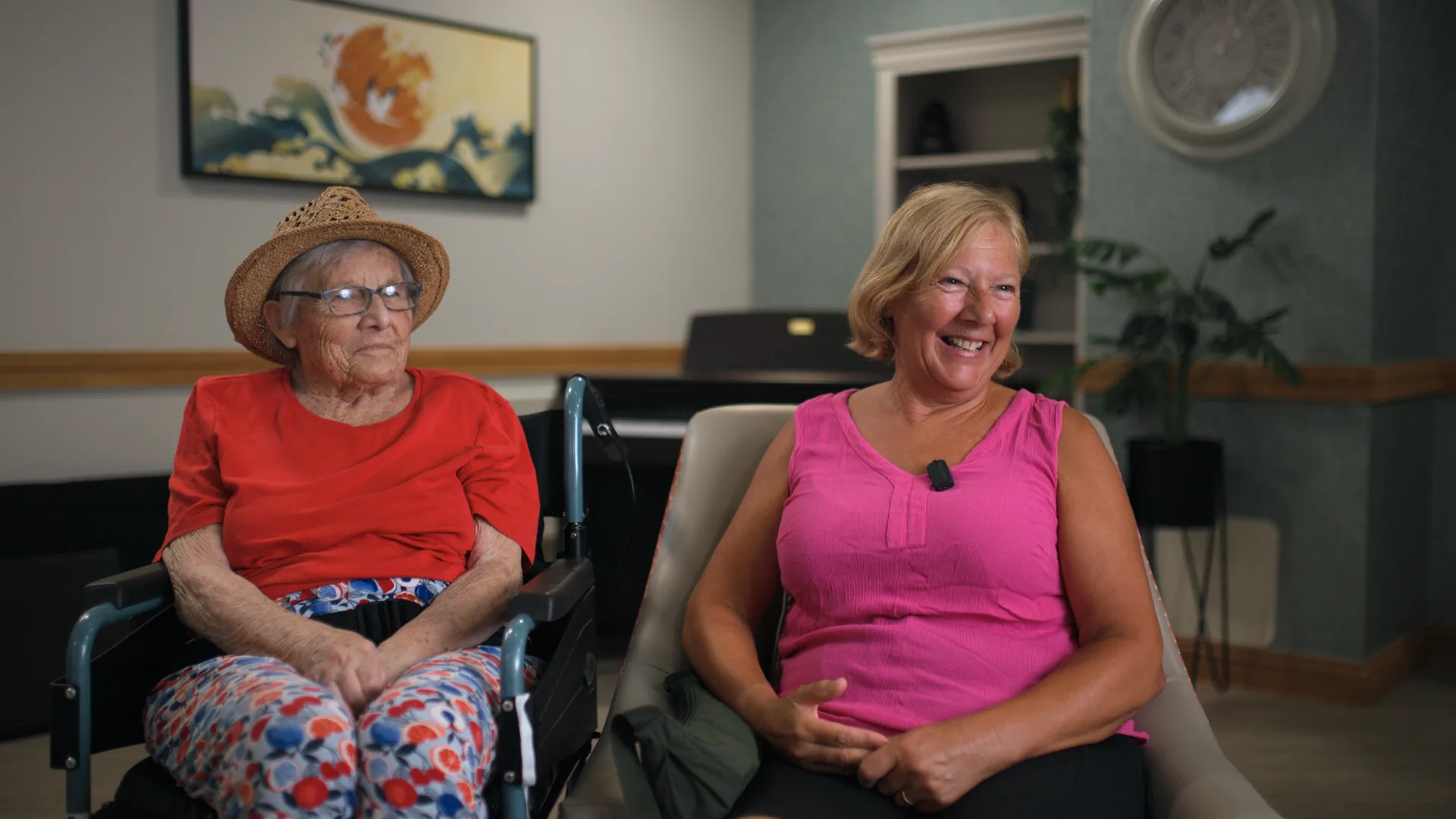
Usually a close family member, and rarely the person moving in. It is most often an adult child, but plenty of searches are run by a husband or wife, a sibling, a niece or nephew, or a grandchild who happens to be the one comfortable with the internet. Marketing written to address the future resident directly tends to miss, because the resident is often part of the conversation without being the one typing.
That matters for tone. You are writing to someone who feels responsible, is short of time, and is quietly worried they are about to get this wrong.
What state they are in
Care England and Log my Care surveyed 1,000 UK families who had recently organised care. This is what they found.
described the process as difficult.
felt overwhelmed, anxious, frustrated or stressed. Only 3 per cent found it straightforward.
started looking because their relative was struggling with daily activities, so the search often begins in the days after something went wrong.
said the hardest single part was identifying a provider they could trust. 30 per cent did not know where to start.
That is your audience. Not a comparison shopper working through a spreadsheet. Someone tired, worried, and looking for a reason to believe you.
Where they look
Several places at once, on a phone.
The device
Ofcom's Online Nation 2025 report found Facebook and Messenger were used by 93 per cent of online UK adults in May 2025, Google Search by 82 per cent in the month, and that most online time is spent on a smartphone.
The practical picture is a person doing this after work, on a phone, across three or four sources, over several weeks.
How to reach them
In order of how early you arrive.
This is the only channel that reaches them before the comparison starts. By the time someone is on a directory, they are choosing between you and five others on someone else's page. On Facebook and Instagram you can be present in the weeks before that, when the family is still working out whether a care home is even the answer.
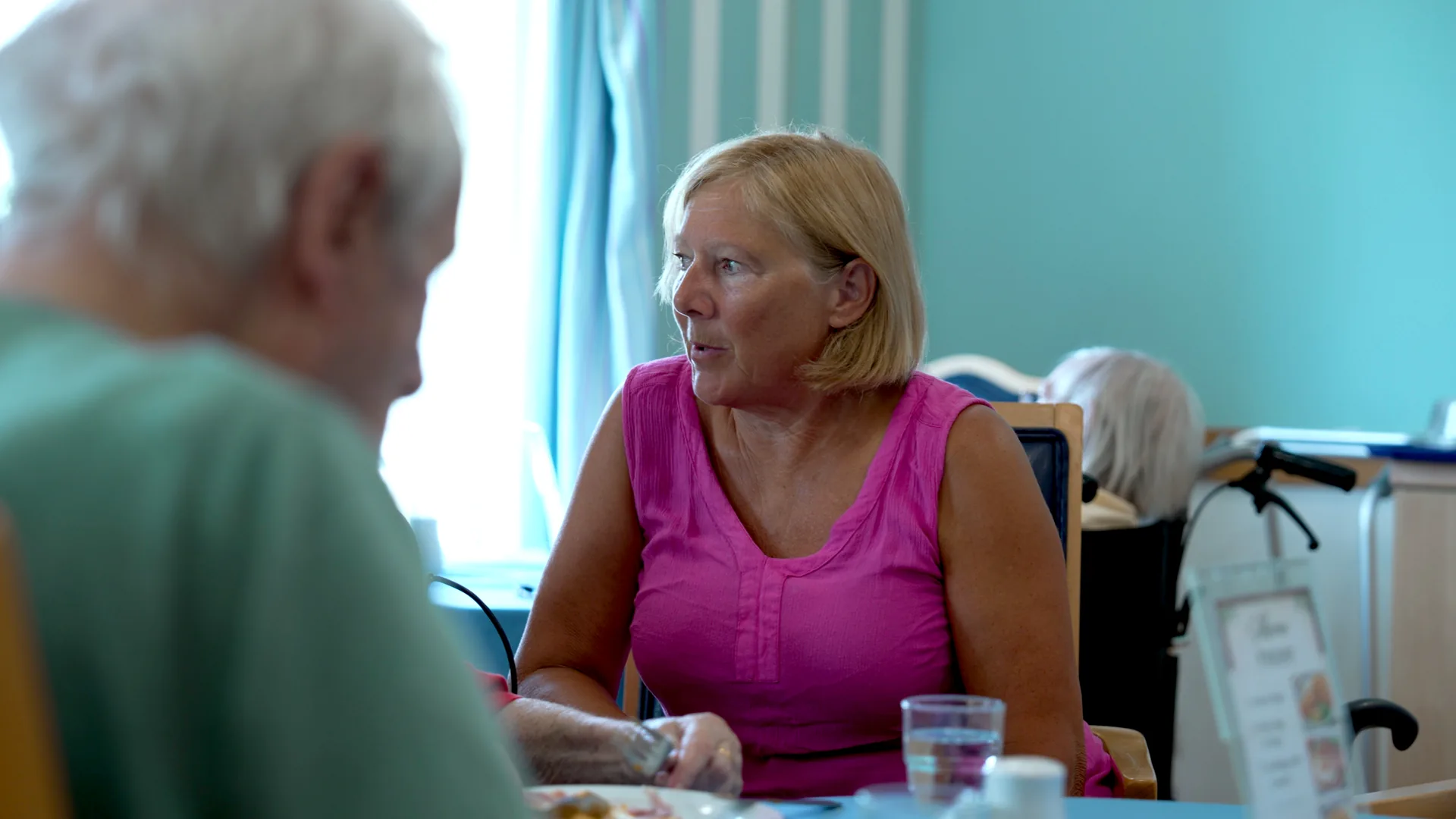
What works is not an advert about your facilities. It is a short, honest piece of film showing an ordinary morning: breakfast, the garden, a carer who has been there nine years. Real people, always, with consent. Our pillar on whether Meta ads work for care homes sets out what separates the ones that work from the ones that get scrolled past.
Be findable for the searches they actually type. "Care home near me", "residential care in [town]", "dementia care [town]". A complete Google Business Profile with real photographs and answered reviews, plus location pages naming the towns you serve, does most of this work.
Why families are not finding your care home online covers it properly.
Reviews are what turn a shortlist place into a phone call. carehome.co.uk carries more than 400,000 reviews across UK homes.
Ask recent families to leave one, and reply to every review you get.
The message
Say what a Tuesday is actually like. Who the staff are, by name. What fees include and what they do not. What happens when they call, and who will answer.
Do not say anything that leans on guilt or fear. Families in this position are already carrying enough of both, and messaging that presses on it makes them close the tab. The emotional destination you want is relief: the sense that this might be alright, that these people seem honest, that the next phone call will not be awkward.
And never use stock photography, staged scenes, or film that is not real people. Families can tell, and being caught out on that is not recoverable.
This week
Four things, in order.
Look at your own site and adverts on a phone, at nine in the evening, as they would.
Rewrite your main page opening so it speaks to the family member, not the resident.
Get one honest piece of film or a set of real photographs, with consent.
Decide who answers enquiries the same day, by name.
For step three, it helps to see how honest film of real families work.

Common questions
Usually a close family member acting on the older person's behalf, most often an adult child but frequently a spouse, sibling, niece, nephew or grandchild. The older person is often part of the conversation but rarely doing the searching, which is why marketing aimed only at the resident tends to miss.
On a phone, across several routes at once. UK research with 1,000 families who recently arranged care found 55 per cent started with NHS or local authority directories, 40 per cent used online searches and 38 per cent relied on word of mouth. Most of the looking happens in evenings and at weekends.
Meta advertising reaches them earliest, before they begin searching, and reach is not the constraint: Facebook and Messenger were used by 93 per cent of online UK adults in May 2025 according to Ofcom. Local search catches them once they start looking, and reviews decide whether they contact you.
Working out who to trust. In the Care England and Log my Care research, 97 per cent said arranging care was difficult, 61 per cent felt overwhelmed, anxious, frustrated or stressed, and 40 per cent said identifying a provider they could trust was the hardest single part.
An honest picture of ordinary daily life, shown by real residents and staff with consent, and plain answers about fees and what happens next. Not facilities lists, not superlatives. They are trying to imagine their parent in the room, and guilt-led messaging pushes them away rather than moving them closer.
Keep reading
How paid social reaches families before they start comparing homes.
Why families are not finding you onlineThe common reasons a good home is hard to find, and what to fix.
Do family testimonial videos work?What honest film of real families does for trust before the first call.