Case study
Meigle Country House is a 23-bed nursing home in rural Perthshire. In the first 30 days of a campaign built on films made at the home, Meta advertising aimed at families across its catchment and an enquiry page, its occupancy rose from 80% to 92%, show-arounds went from about two a month to about two a week, and phone calls and walk-ins were up by half.
Updated October 2026
The first 30 days
Three measures from the home's own records, each compared with the month before the campaign went live.
Occupancy
In a 23-bed home, every room taken makes a visible difference to the figure.
Show-arounds
Roughly four times as many families walking round the house.
Calls and walk-ins
Including families who rang or arrived at the door, not only those who filled in the form.
These are one home's figures over an early period. The section further down sets out what they show and what they do not.
What happened, in brief:
Before the campaign
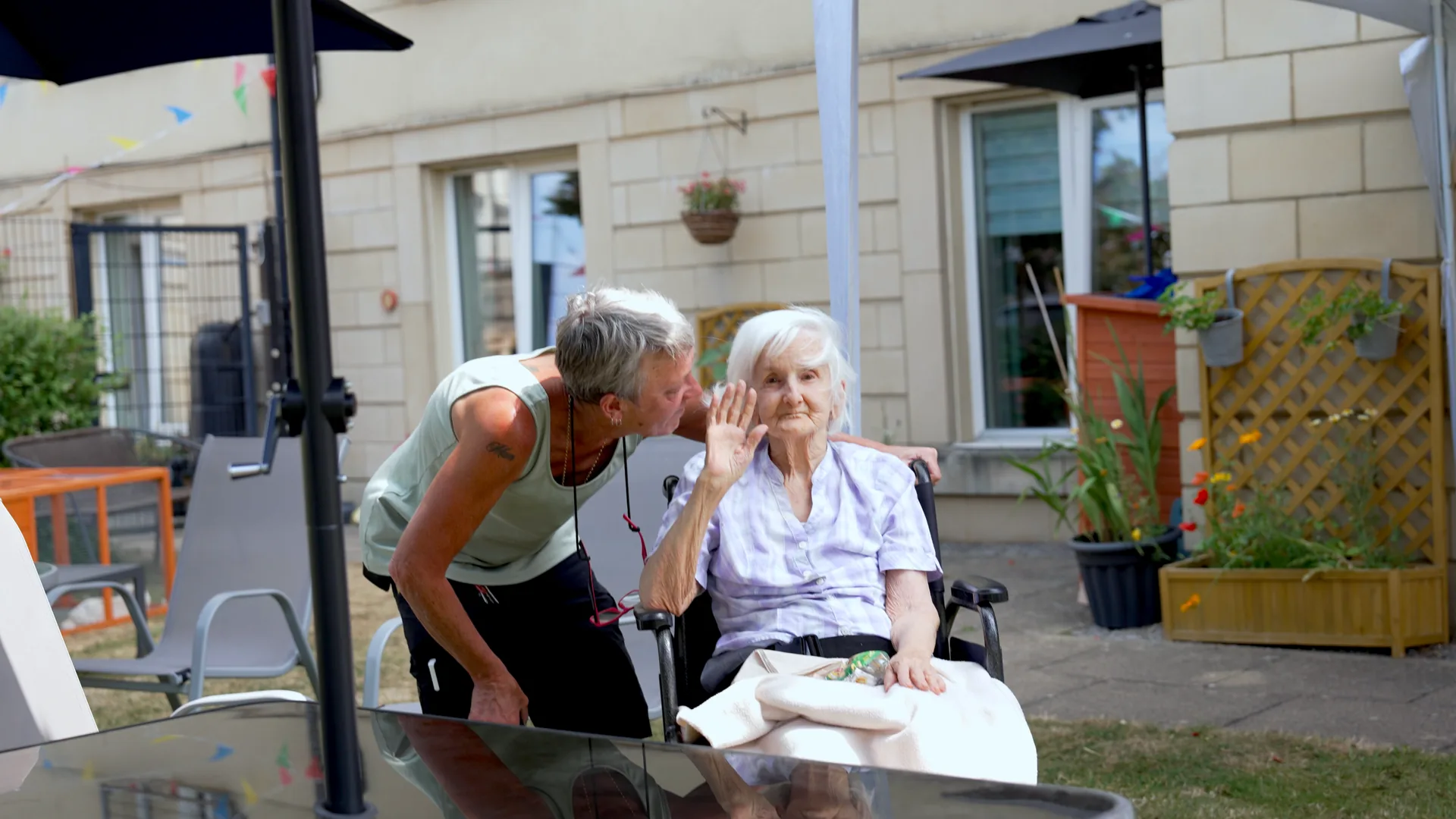
Meigle is a small country house with a nurse in the building day and night. Families who knew it tended to find it through someone in the community, a relative who had stayed there, or the hospital discharge team and social work. Enquiries came by phone, by email, or by a family turning up at the door.
Very little of that was visible from outside. The home's Facebook page had almost nothing on it, and newer homes within a short drive were doing more to market themselves. The manager had shown a good number of families round in recent months without many of those visits turning into a decision, because families were comparing several homes in the area.
“It's the rural setting, it's more like a homely feel, country house feel, rather than a bigger care home.”
The families
We started from how families actually arrive at Meigle, which falls into three situations, each with its own questions.
A fall, a hospital stay, or a care package that no longer keeps someone safe at home. The family wants to know there is a nurse on site at night and that the home can move quickly when a bed is free.
Care at home is becoming too much and the family is deciding what comes next. Many test the water with a respite stay first, so the person can get to know the staff and the routine before anything is permanent.
These families are looking early and building up a picture of the homes nearby. Some first get to know Meigle through respite, long before a permanent move is on the table.
Most of the advertising went to the first two groups. It was set to reach families across the home's real catchment, including Perth, Dundee, Blairgowrie, Coupar Angus and Alyth, rather than the village alone, because families travel some distance for a home they have heard good things about.
The content
Everything was filmed in one day at the home, on 28 July 2026, so residents and staff were only disturbed once.
The manager's own route into nursing and to Meigle, followed by plain answers to what families ask: who is on at night, what a day looks like, and how someone settles in.
A resident's relative describing, in their own words, where they were before the move and what changed afterwards. It sits on the enquiry page, where a family has time to watch it in full.
An almost wordless film of arriving at the house: the drive, the quiet, the staircase, the garden and Molly, the therapy dog. Families had told the home that photographs did not capture what it is like inside.
Each edit answers one specific question, such as whether the nights are covered or how a respite stay works, and is matched to the situation the family is in.
The timeline
About two months from the first meeting to the campaign going live.
With the manager and the group's regional team. We learned how families arrive, what they ask on a visit and why they choose Meigle.
Three core films, ten advertising ideas and the family question each one answers, agreed with the home.
The manager, a resident's family and everyday life in the home, captured in a single visit.
Films, adverts and the enquiry page were finished and approved by the home before anything ran.
The adverts began reaching families across the catchment.
Occupancy from 80% to 92%, show-arounds from about two a month to two a week, calls and walk-ins up by half.
After the advert
The work split cleanly between our side and the home's.
The home's part
Each enquiry was emailed to the manager, the nurse in charge and the care officer within moments, so the people who would show the family round were the first to speak to them. The home's way of working stayed the same: a call, then an invitation to come for a coffee, walk round and sit in the garden.
Reading the figures
For other homes
Four things that would apply to most homes, whoever does the work.
Write down what families ask on the phone and on a visit, then make each piece of content answer one of them.
Families are deciding who will look after someone they love, so hearing from that person early is useful to them.
Find out which towns your residents' families come from, and reach those, not only the postcode the home sits in.
Make sure every enquiry reaches the people who show families round, the moment it arrives.
For the wider picture, see our guide to increasing care home occupancy, why family testimonial films help families decide, and what happens between an enquiry and a move-in.
Common questions
In the first 30 days of the campaign, the home's own records showed occupancy rising from 80% to 92%, show-arounds going from about two a month to about two a week, and phone calls and walk-in visits up by half on the month before.
Three core films from one day at the home on 28 July 2026: a manager film, a family testimonial and an almost wordless walkthrough of the house. Shorter advertising edits were cut from the same footage for ten ad concepts, and an enquiry page was built for the ads to lead to.
About two months. The first meeting was on 23 June 2026, the creative plan followed in early July, the filming day was 28 July, and the campaign went live at the end of August once the home had approved the films, adverts and enquiry page.
The home's own team. Each enquiry was emailed straight to the manager, the nurse in charge and the care officer as soon as a family completed the form, and the home rang them back and invited them to look round.
The method carries over, but the numbers will not copy across exactly. Meigle had beds available, a clear character and a manager who was comfortable on camera, and the figures cover one home over 30 days. Every home starts from a different position, so we talk through what is realistic on a call.
Keep reading