The guide
You are very probably not doing anything wrong in the care itself. Empty beds in a good home usually mean the quality is not visible to the families deciding, because they judge a home before they ring. The fix is rarely more marketing volume. It is making the good care easy to see in the four places families actually look.
Updated October 2026
Good care is easy to see from the inside and hard to see from a search result. In brief:
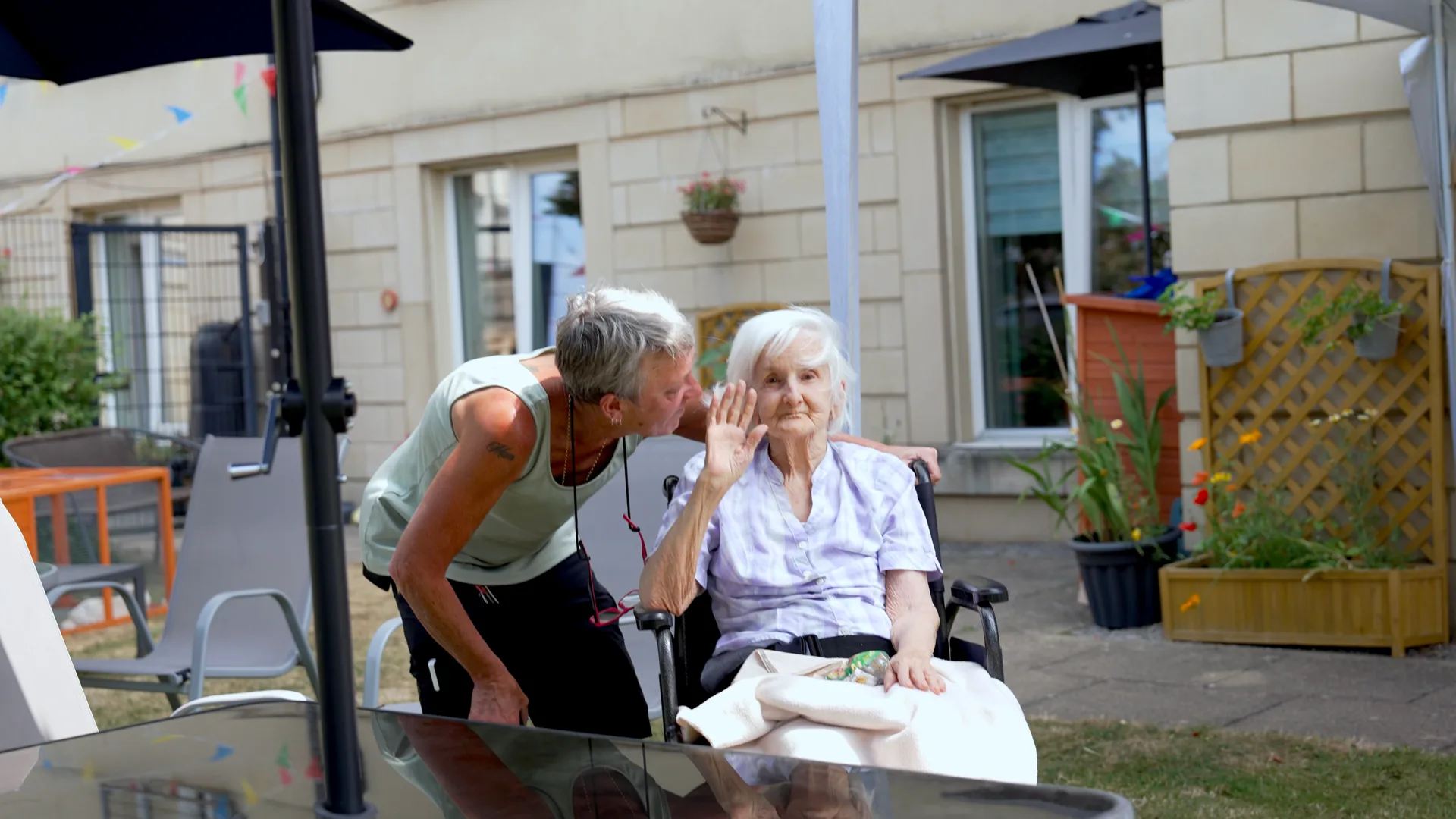
The real gap
Because good care is only visible from the inside. Everyone in your home can see it every day, but a family searching for the first time cannot, and they are choosing in a hurry.
In the 2026 Care England and Log my Care study of 1,000 people arranging care, carried out by Sapio Research, 97% found arranging care difficult and only 3% found it straightforward. Over half felt overwhelmed, anxious or unsure where to begin, and two thirds started without clarity on the type of care they needed.
A family in that state does not compare fifty details. They look for a few quick signs that a home is trustworthy, and ring the ones that give them some. If your good care is not showing up in those signs, you are not being compared on your care at all.
Four places to check
In four places, and each one is worth checking honestly. None of them means your care is lacking. Each is a place where a good home can look ordinary.
| Where families look | What usually happens to good care there | Quick check |
|---|---|---|
| The inspection report | Often out of date, and rarely read | When was your last full inspection, and what did it say about daily life? |
| The review score | Most homes score well, so a good score does not stand out | Do your reviews describe people and moments, or only give a number? |
| Your website and profiles | Written to describe the building, not the days | Could a stranger tell what a Tuesday is like from your homepage? |
| The first call | Lands on whoever picks up, at whatever time | Does every enquiry get the same warm, informed answer, including out of hours? |
Ratings and reviews
Both help you get shortlisted. Neither does the whole job on its own.
The review score
carehome.co.uk's 2026 analysis found 73% of care homes score 8.0 or higher out of 10, so a strong score puts you alongside most of your neighbours rather than ahead of them.
What separates one home from another is what the words say. A review that describes a named carer sitting with someone on a bad afternoon does more than a number ever can. Ask families for the story behind the score, and reply to every review in a warm, specific way.
The first visit
The Mediahawk Care Trends Report for spring 2026, built on call tracking from April 2025 to March 2026, found calls to care homes rose 9% year on year while the visitor-to-call ratio fell 7.5%. More families are reading a home's website before they pick up the phone, and they are ringing later.
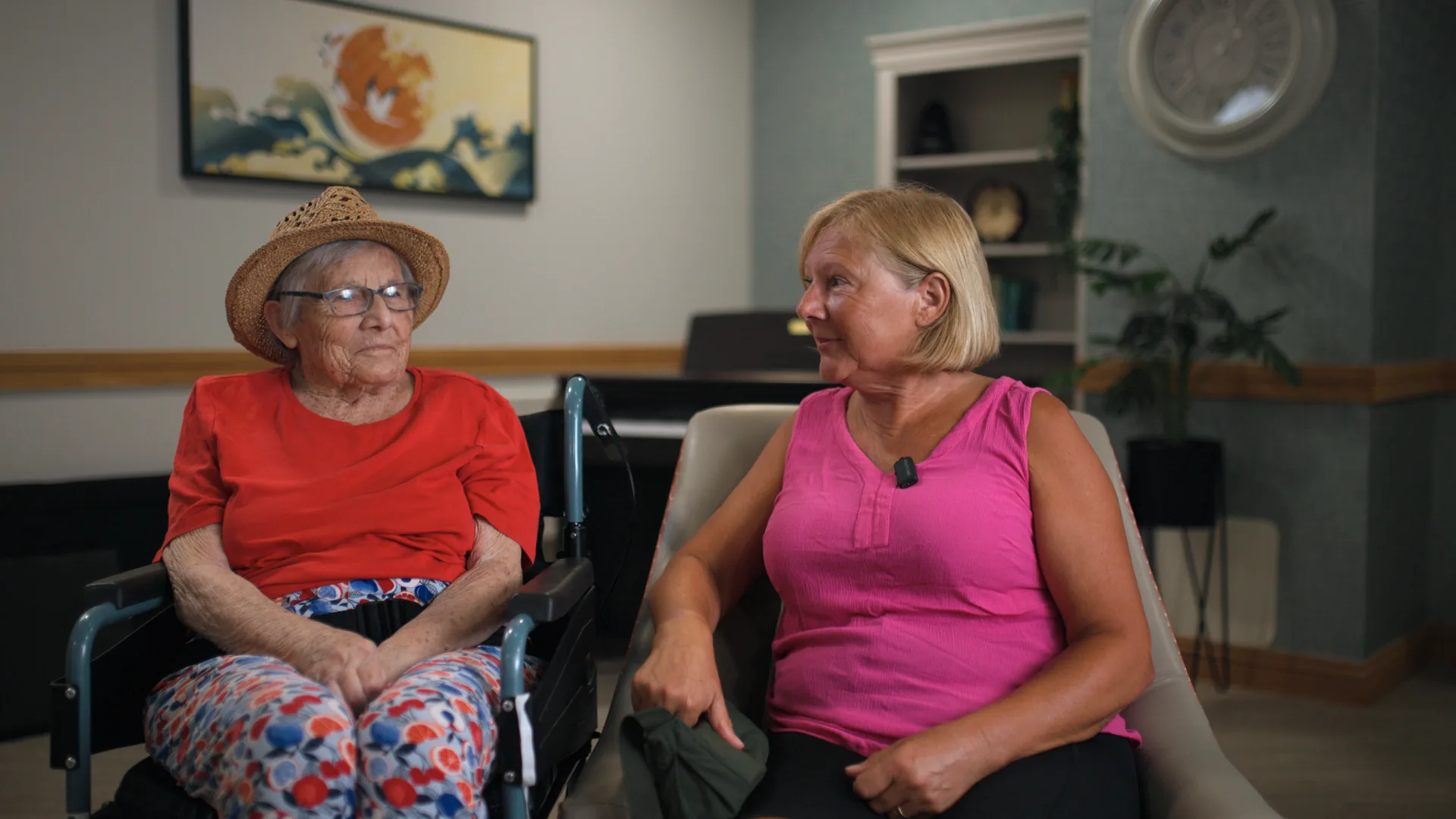
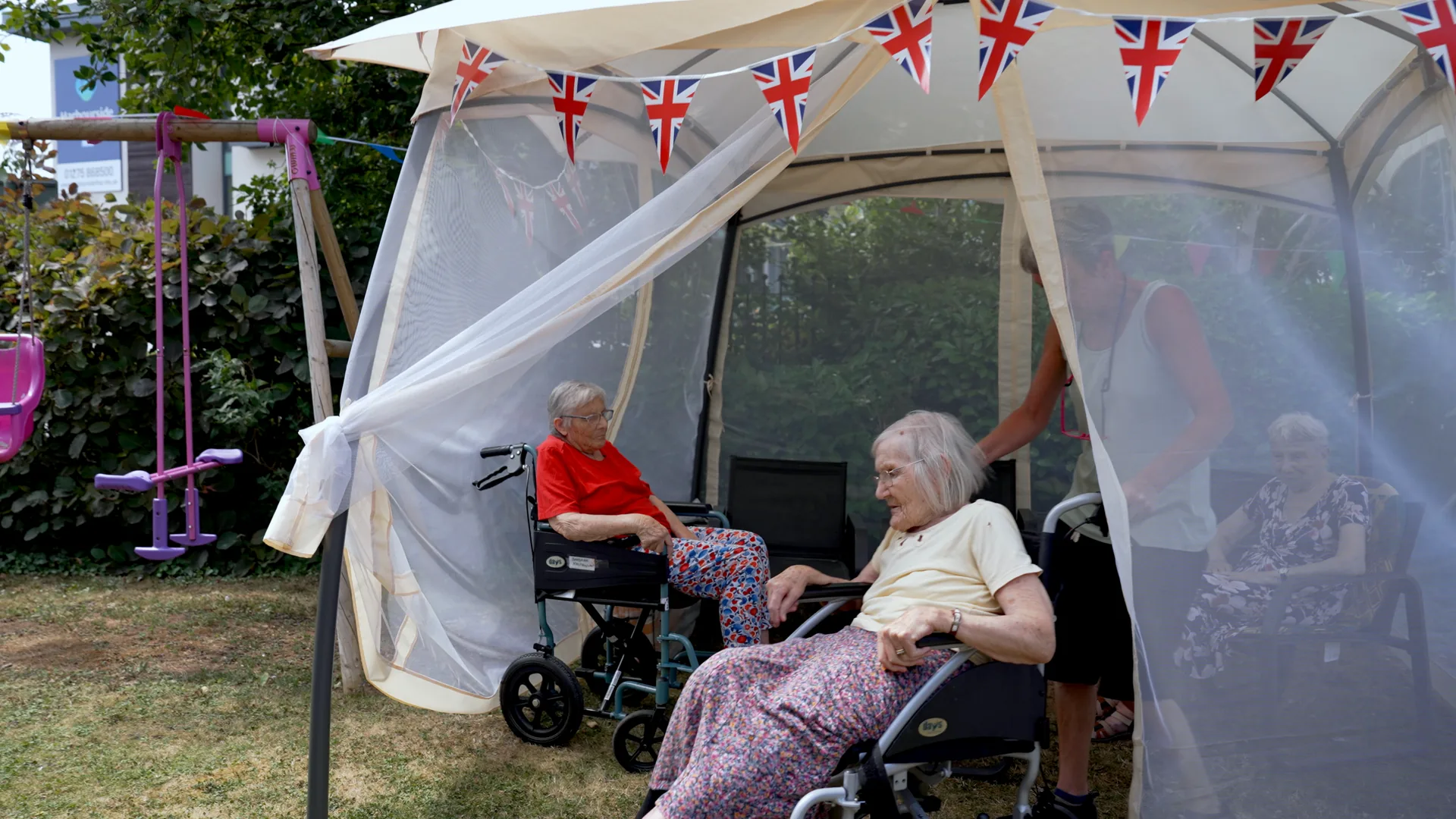
That is good news for a home that shows itself well. Real photographs of ordinary days, short films of real residents and relatives in their own words, and a manager introduction all do this job. A page of facilities and a floor plan can quietly lose a good home its enquiry. More on this in why families struggle to find a home online.
Films should always feature real people, never AI-generated ones, and always with proper consent.
What to check first
Work through these in order, because each depends on the one before.
Search for your home on Google and carehome.co.uk, then read your homepage on a phone. Note where you sound like every other home.
Add real photographs and a short film or two to your Google profile, your directory listing and your homepage, so the good care shows in the first thirty seconds.
Ask families for the story, not the score, and reply to each review by name and detail.
Whoever answers, including out of hours, should be able to describe a real day and offer a visit before anything else.
For step two, it helps to see how family stories are filmed and used.
The avoidable four
Four things, usually. All four leave a good home looking just as ordinary as before.
Cost and pace
There are four common models, and none is right for every home.
Ask any provider which model they use, what you own at the end, and what "working" is measured against. Specifics are walked through on a call.
How long does it take? New photographs, a film or a rewritten homepage can be live within weeks. Reviews and word of mouth take months. Most homes notice better conversations on the phone before they notice a fuller home, so track the quality of enquiries as well as the number.
Who this is for
This is for homes whose care is good but whose enquiries do not reflect it. It is not for homes still working through a care concern, because marketing shows what a home is like, it does not change it. If that is you, fix the care first, then come back to how it is seen.
For the wider view on filling beds, start with how to increase care home occupancy.
Common questions
Good care is only visible to the people already inside your home. Families decide before they contact you, using reviews, your website, the inspection report and word of mouth, and if none of those show what daily life is really like, a good home can look identical to an average one.
A strong rating helps, but it is rarely the deciding factor. In the 2026 Care England and Log my Care survey of 1,000 people arranging care, only 19% used inspection reports when researching, and reputation was the top factor at 30%.
Changes to what families see on your own website and profiles can be made within weeks, while reputation signals such as reviews and word of mouth build over months. Most homes see the first movement in enquiry quality before they see it in occupancy.
No. Marketing shows families what a home is already like, and a film or a better website cannot cover a care problem. If the care is genuinely good, marketing is about making that visible; if it is not yet, fix the care first.
Keep reading