The guide
A great care home website does three things well: it loads quickly on a phone, it earns a worried family's trust within seconds, and it makes enquiring feel easy rather than daunting. Everything else, the photography, the words, the pages, exists to serve those three jobs. A home can have wonderful care and still lose enquiries because its website makes families hesitate, and the fix is rarely more features. It is clarity, warmth and speed.
Updated July 2026
A great care home website turns a worried family's first glance into an enquiry. In brief:
What good looks like
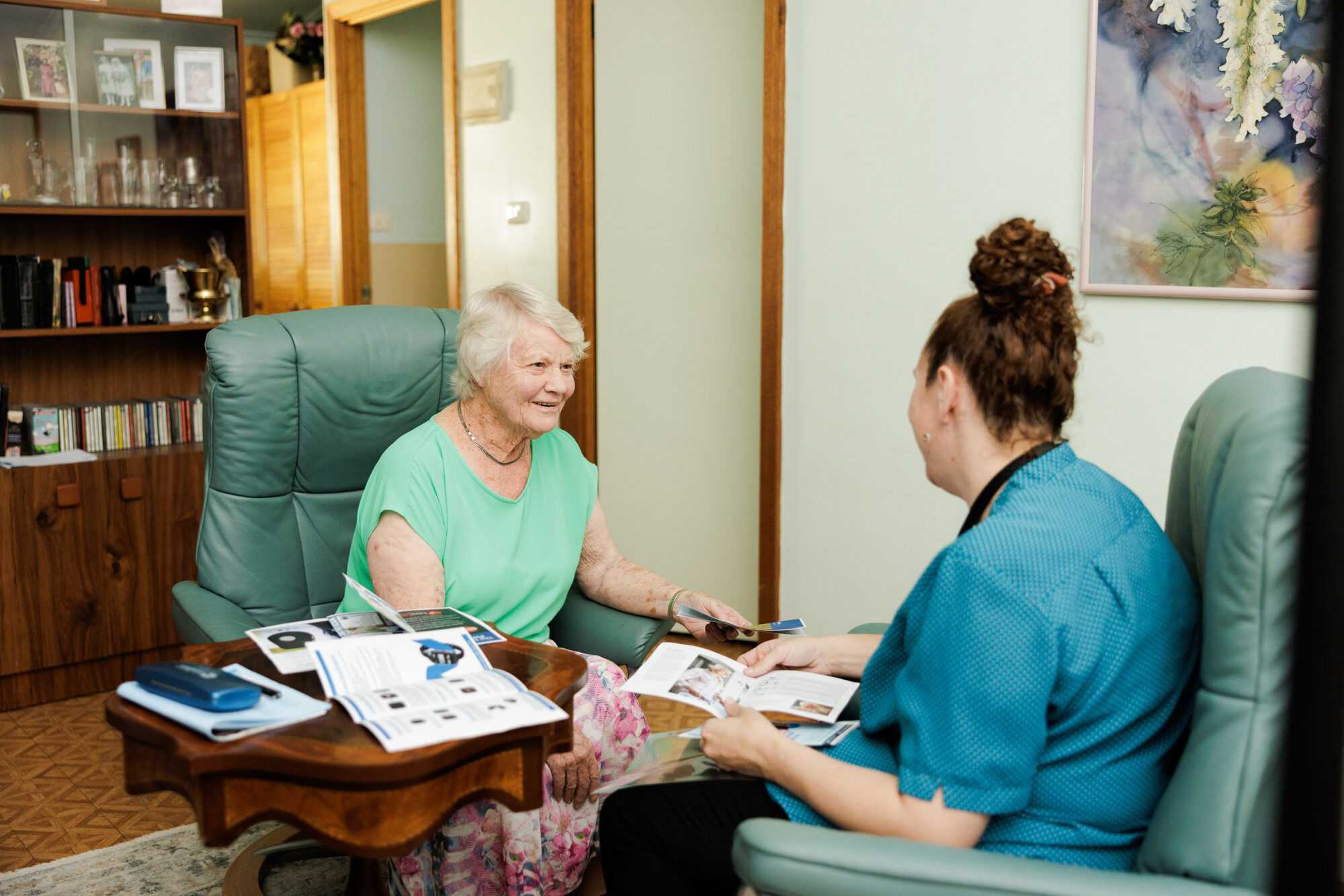
A care home website is great when a family member can land on it, feel reassured, and know what to do next without thinking. Most people arriving are not shopping casually. They are usually a close family member, often an adult child but sometimes a spouse, a sibling, a niece or nephew, carrying a decision they did not expect to be making yet. A great website meets that moment with calm, honest detail rather than marketing gloss.
In practice it comes down to a few things working together: fast loading on a phone, real photography of real people, a clear picture of daily life, easy-to-find guidance on fees and location, visible reassurance such as reviews and your regulator rating, and an obvious, gentle way to make contact. None of these is exotic. What is rare is a home doing all of them at once, with a design that feels as caring as the home itself.
Page by page
Every page has one job. The site works when each answers the question a family is holding at that moment. It falls into three groups.
A warm homepage that says who you are, where you are, and who you care for in the first screen, plus an about page with the real faces and names of the team. Families are handing over someone they love, so seeing the people who will care for them matters more than any badge.
Honest photographs of real rooms and communal spaces, and a page on daily life: meals, activities, outings, the small routines that make a place feel like home. This is where families choosing a home directly often make up their minds.
Clear guidance on how fees work and what is included, a location and contact page with more than one way to get in touch, real testimonials, and your CQC rating on show. Transparency removes the barriers that quietly turn families away.
The numbers
Yes, and it is the most common weakness. Most families first see your home on a phone, often late at night, and if the site is slow or awkward they simply leave. In the UK, adults now spend around 77% of their online time on smartphones (Ofcom, Online Nation 2025).
Speed matters as much as layout. Google's own research found that 53% of mobile visits are abandoned if a page takes longer than three seconds to load (Think with Google). A beautiful but heavy site can lose half its visitors before they read a word, so a great care home website is built to be fast on a phone first.
First impressions
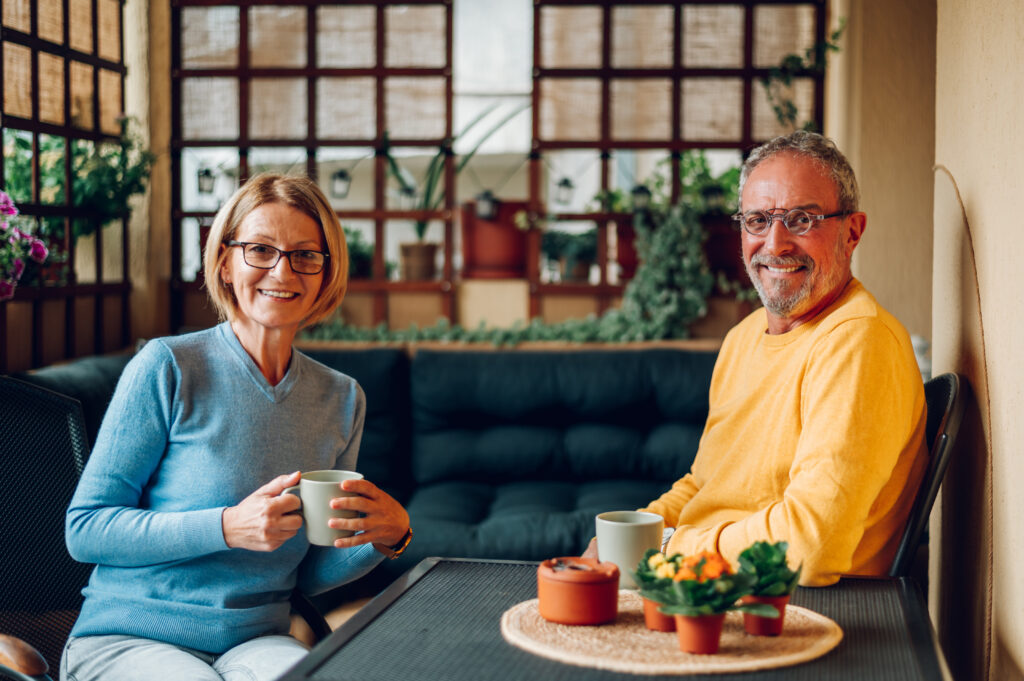
Families judge a care home website in seconds, mostly on how it feels before they have read anything. Design is not decoration here, it is a signal of how the home is run. A site that looks dated, cluttered or generic plants a small doubt at exactly the moment a family is looking for reassurance, while a calm, warm, well-photographed site tells them the home pays attention to detail.
This is why real photography of real people matters so much, and why we never use artificial or AI-generated images of residents or families. Families can sense when faces are not real, and in this sector that erodes trust instantly. Genuine photographs of your actual home, your actual team and honest reviews do the reassuring work that stock imagery cannot. The guide on why families may not be finding your home online covers getting seen in the first place; this one covers what happens once they arrive.
Template or built
Both routes work. The honest answer depends on your time, your goals, and how much the website needs to carry. Wix and Squarespace are genuinely fine for a simple presence; a built site starts from the family's decision instead.
| Template builder (Wix, Squarespace) | Built for your care home | |
|---|---|---|
| Upfront cost | Lower to start | Higher, varies by scope |
| Your time and effort | Ongoing, and on you | Concentrated upfront, then handed over |
| Understanding of care families | Generic, built for everyone | Built around the family's decision |
| Performance ceiling | Real, capped by the template | Higher, built to turn visits into enquiries |
| Ownership | Tied to the platform | Yours to keep, no lock-in |
Directory or your own site
A directory profile is a strong start, not a substitute. The strongest approach uses both.
Where it reaches its limit
A directory listing sits beside every competitor on the same page, in the directory's design, on the directory's terms. Your own website is the one place families see your home on its own, told your way, with an enquiry that comes straight to you.
The timeline
Usually a few weeks rather than a few days, because the parts that make it great take a little time to do properly. A refresh is faster than a full build. A full build moves through four stages.
We learn your home, your families and what makes the place special, so the site is shaped around your actual residents rather than a template.
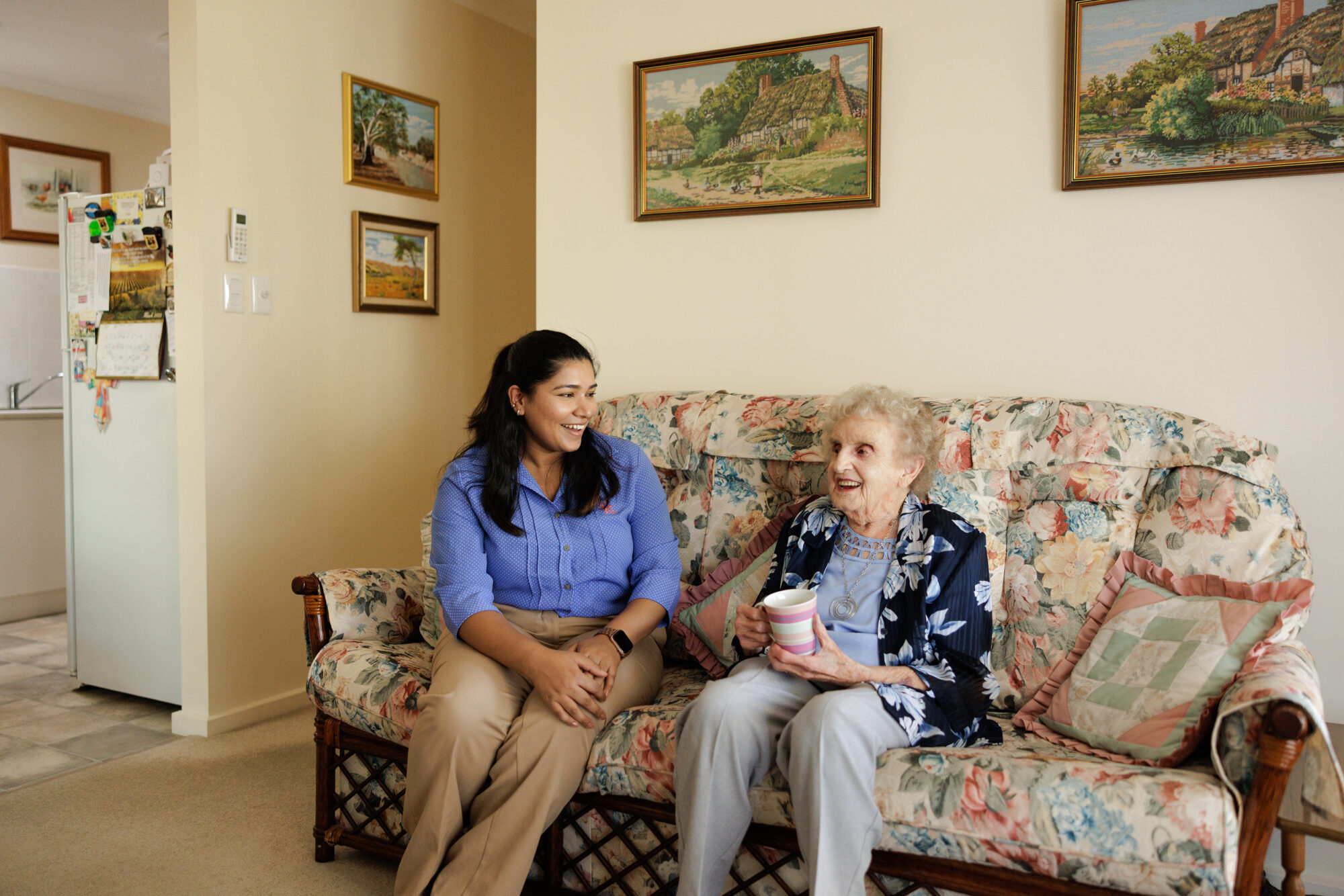
Real images of your actual home and team, the single biggest trust lever a website has. This is the part worth waiting for, and it cannot be rushed or faked.
Honest words for every page and a structure built around families and enquiries, fast on a phone from the first draft.
You see it, we refine it together, and it goes live as yours to keep. A realistic timeline is a sign of care, not delay.
Is it right for you
A built website suits any home that relies on private enquiries and wants its online presence to reflect the quality of its care. It is most valuable for homes that depend on families choosing them directly, homes in competitive areas where a directory listing alone is not enough, and homes whose current site is slow, dated or invisible on a phone. If your care is genuinely good, a great website simply lets families see that before they ever pick up the phone, which is also where it starts turning quiet interest into filled beds.
Pricing follows scope rather than a fixed number: a straightforward refresh is a smaller piece of work than a full build with a filming day and fresh words throughout, and the two common models are a one-off build you own outright or a build kept fresh on a retainer. The main risk of getting it wrong is quiet loss, a family who feels a flicker of doubt and enquires elsewhere without ever telling you why. Our care home website service walks through the options and the specifics on a call.
Common questions
Yes, if they rely on private enquiries. Families research online first, usually on a phone, and your own website is the one place they can see your home on its own terms and enquire directly. A directory profile helps, but it is a shop window on a shared street, not your own front door.
Trust, delivered fast. That means real photographs of real people, an honest picture of daily life, and an easy way to get in touch, all loading quickly on a phone. Features matter far less than whether a worried family feels reassured in the first few seconds.
You can, and they work for a simple presence. The ceiling is that a template is built for everyone, puts the ongoing design and content work on you, and rarely understands what a care family needs to see. A built site starts from the family's decision instead. Both are valid, and the right choice depends on how much the site needs to carry.
In England, yes. Families actively look for the CQC rating, and displaying it is both expected and reassuring. It is one of the trust signals a great care home website makes easy to find rather than burying.
It depends on scope, so it is best walked through on a call rather than quoted blind. The two common models are a one-off build you own outright, or a build with a retainer that keeps the site fresh.
Keep reading
Two builds, a refresh and a full showcase, both fast on a phone and both yours to keep.
Why families are not finding you onlineThe visibility side of the same problem: how to be found before a family ever reaches your website.
How to increase care home occupancyWhere families really decide, and how a clear website turns interest into confirmed move-ins.