The guide
Usually because you are missing from the two or three places families actually look first: Google's local results and map, a clear website that answers their questions, and the review and directory pages they trust. The search is happening every day. If your home is invisible in those moments, the enquiry goes to whoever showed up instead. The good news is that almost all of it is fixable, and most of the fixes are one-off jobs.
Updated July 2026
If beds used to fill on word of mouth and enquiries have thinned, invisibility online is one of the first things to check. In brief:
The search is already happening
Yes, and earlier than most owners assume. The person choosing is usually an adult child, but often another close relative such as a spouse, a sibling, a niece or nephew, or a grandchild, and they almost always begin with a screen. Around 72 percent of consumers use Google to look up information about a local business (BrightLocal).
For care, that first look often happens quietly, weeks before anyone picks up the phone, while a daughter sits at the kitchen table after a hospital call. By the time a family rings round, they have usually already built a shortlist from what they found. If your home was not part of that early research, you were never really in the running, however good the care inside your walls.
The first look
In a small number of trusted places, and you need to be present in each. When people run a local search, business websites make up around 47 percent of the top ten results and directories around 31 percent (BrightLocal).
The map results, the local pack of three homes near the top, and the ordinary blue links below. This is where most eyes land first.
Where a serious family goes to decide whether to trust you. It is your chance to be chosen specifically, rather than the cheapest name on a shared list.
The pages that carry independent proof, from Google reviews to sites like carehome.co.uk. Directories work, and they earn their place, with a ceiling.
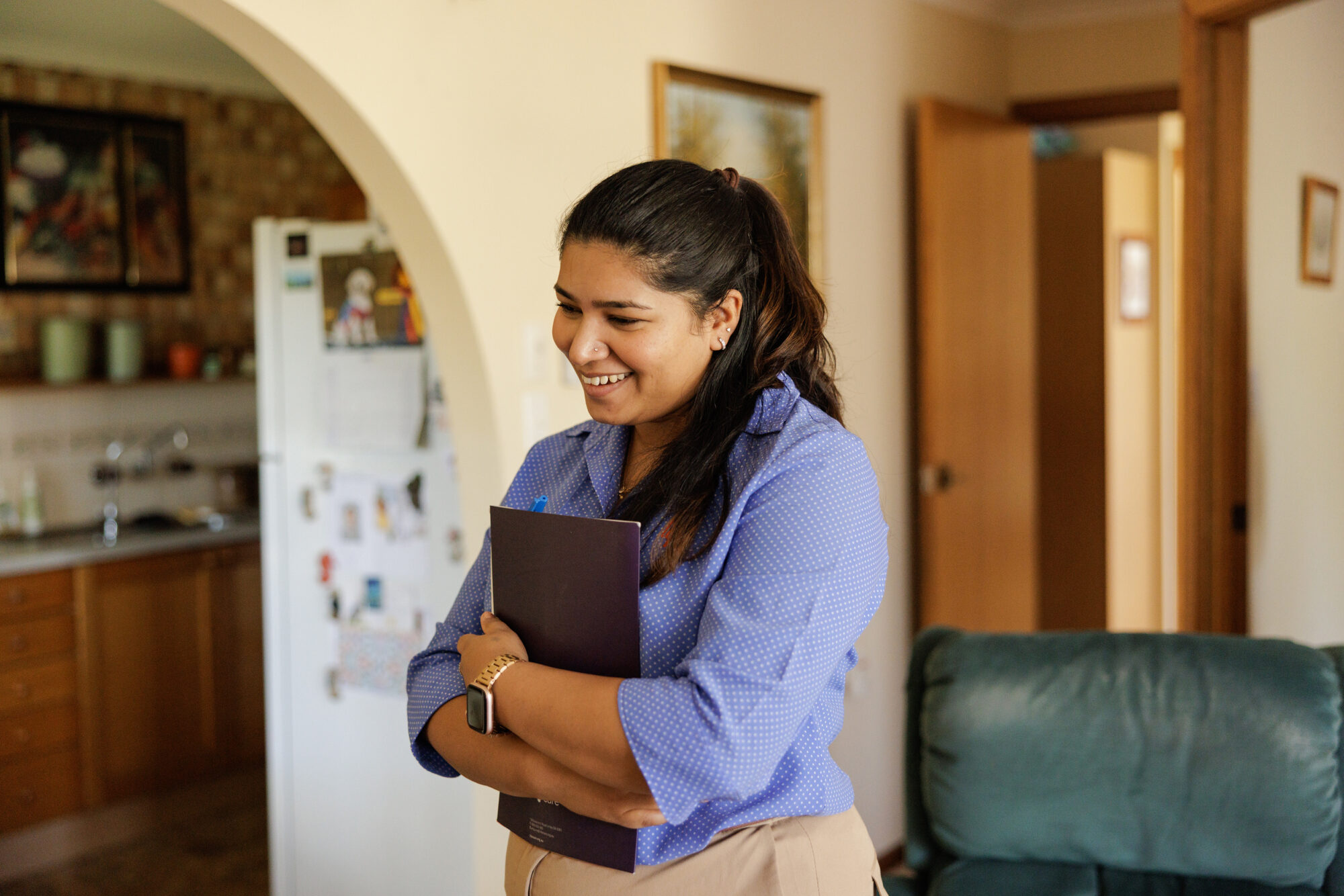
The map and the local pack
The most common reason is a missing or thin Google Business Profile, followed by a website that search engines and families cannot quickly understand. Google decides local rankings mainly on three things: your Business Profile, how close your home is to the person searching, and how clearly your name and services match what they typed. If your profile is unclaimed, half-finished, or has no recent photos and no review activity, Google has little reason to show you in the local pack.
A complete, well-kept profile does real work. Google's own data shows customers are 70 percent more likely to visit and 2.7 times more likely to consider a business reputable when it has a complete Business Profile (Google Business Profile Help). For a care home, a visit usually means a family requesting a viewing, which is the enquiry you want. The fixes are mostly one-off: claim the profile, choose the right primary category, add real photos, keep details accurate, and reply to every review.
Turning visits into enquiries
Usually because the site answers the wrong questions, buries the answer, or gives a worried family no easy next step. Three things move the needle.
Open every important page with a direct, human answer in the first line, so a skim-reader and an AI summary can both lift it.
A clear, gentle invitation to call or book a look round, repeated where a family is ready to act.
Genuine photos, and where you have them, real family stories told by real people, never staged and never artificial.
Families are not comparing feature lists. They are deciding whether they can picture someone they love cared for by you, so speak to that, not a shared directory template.
The front door
They are a strong foundation. On their own, they leave you competing on other people's terms.
Where they reach their limit
They will not show the warmth of your home or explain why a family should choose you over the home three streets away with a slightly lower price. That gap is where owners lose enquiries they should have won: visible, but indistinguishable.
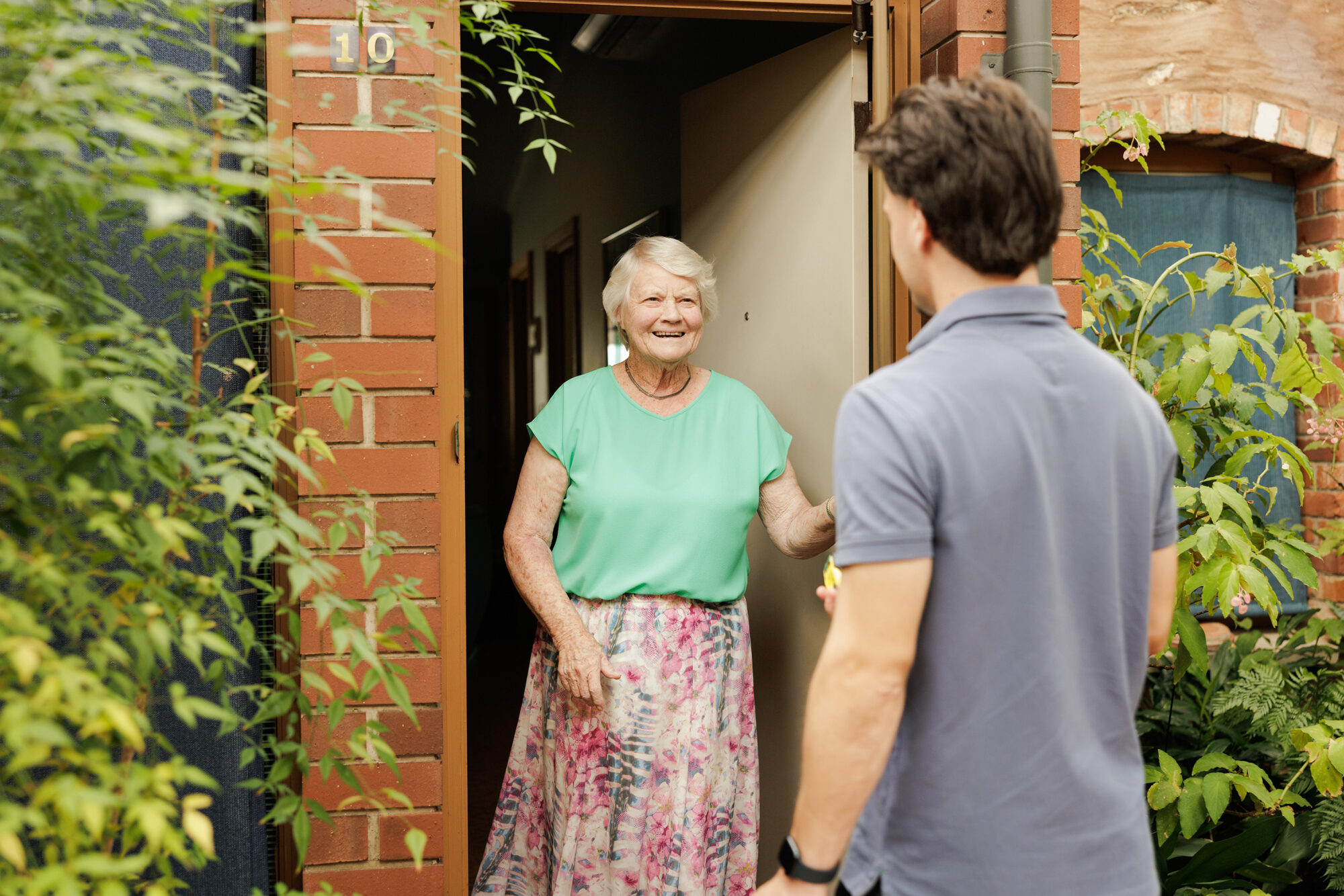
The newest surface
A growing number do, and being absent there is the newest way to be invisible. Around 45 percent of consumers now use ChatGPT or another AI tool for local business recommendations (BrightLocal). When a family asks an assistant about good care homes near them, it answers by pulling from clear, well-structured, frequently cited pages across the web, not from whoever paid the most.
You earn a place in those answers the same way you earn Google's trust, only more so: pages that answer real questions plainly, consistent mentions of your name across the web, and genuine reviews. There is no advertising slot to buy. It rewards homes that have quietly built a clear, honest, well-linked presence over time, which is exactly the work in this guide.
Who it is for
It affects almost any home that grew on word of mouth and local authority placements and never built a deliberate online presence. It is rarely a sign that anything is wrong with your care; the search simply moved online faster than many homes did.
The deeper build
Stronger local rankings and a place in AI answers build with consistency, and every step compounds. You are not starting a race from behind so much as opening a door that was closed, then turning that visibility into filled beds.
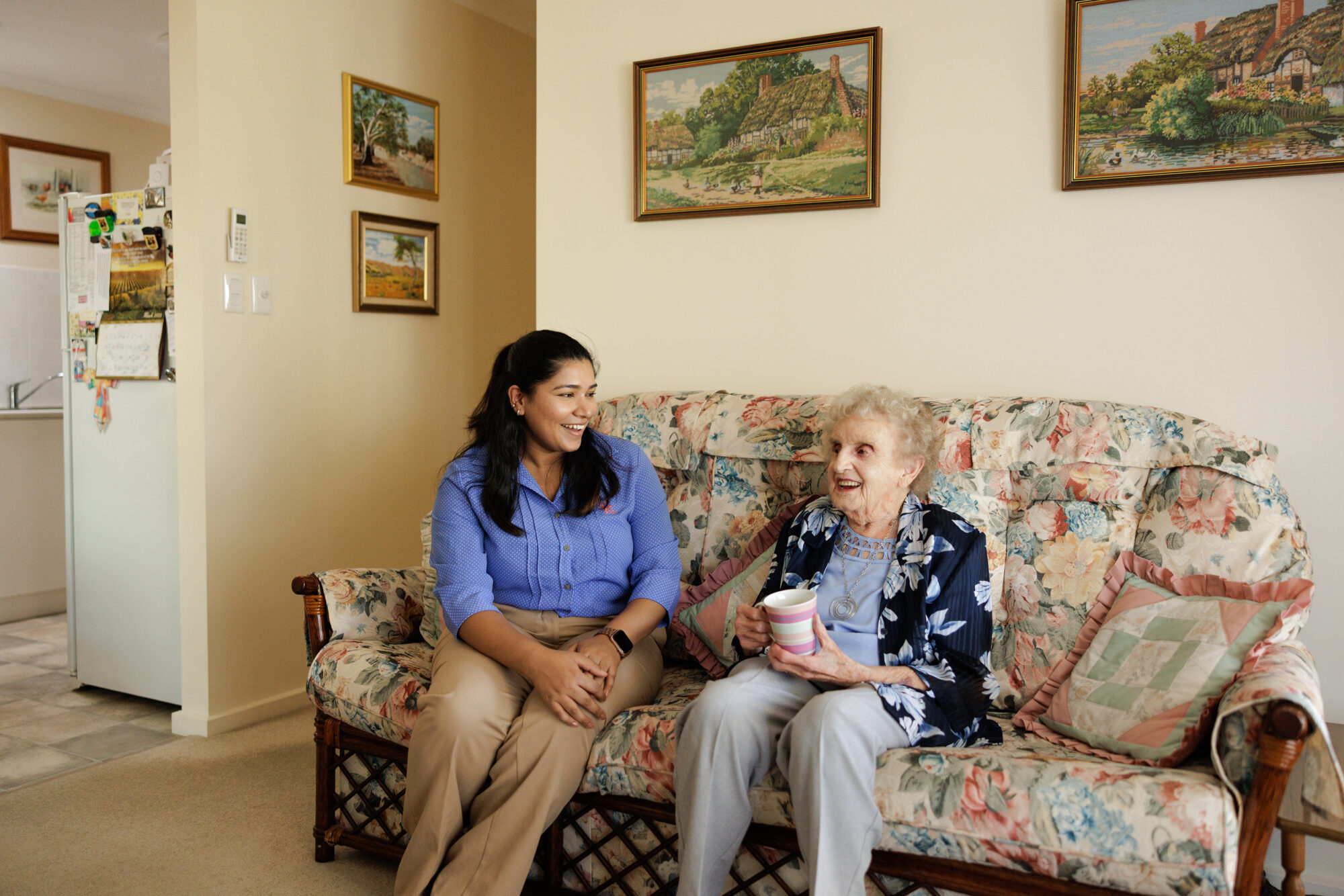
How we think about it
We start by finding out where a home is already invisible, then fix the foundations before anything clever. On a call we walk an owner through exactly what a family sees when they search, on Google, on the map, on the directories, on the home's own site, and where the gaps are losing enquiries.
The order matters: get found first, then get chosen. Most of what is needed is practical and one-off, and we would rather an owner understand it than depend on us for it. When a home is ready to stand out rather than just show up, that is where our video work and reaching families directly through paid social does the rest.
Common questions
Almost always because your Google Business Profile is unclaimed, incomplete, or inactive. Claim it, set the correct primary category, add real photos, keep your details accurate, and reply to reviews. Google is far more likely to show a complete, active profile in the local map results.
Yes. Most begin online, often weeks before they enquire, and build a shortlist from what they find. Around 72% of consumers use Google to look up local business information, and care follows the same pattern.
Do both, in the right order. A directory listing gets you seen alongside other homes and does work. Your own website is what lets a family choose you specifically. Directories are the front door; your site is the reason someone walks in.
The quick, one-off fixes, a complete Google Business Profile, accurate directory listings, and clear website pages, can be done in weeks. Stronger local rankings and visibility in AI answers build over a few months of consistency.
Increasingly, yes. Around 45% of consumers now use generative AI tools for local recommendations. AI answers favour homes with clear, question-answering pages, consistent mentions across the web, and genuine reviews, the same foundations that win with Google.
Keep reading
Once families can find you, this is how quiet interest becomes a confirmed move-in.
Attracting self-funding residentsWhere private-pay families look, what reassures them, and how to reach the person carrying the decision.
Do Facebook and Meta ads work?How paid social reaches families before they search, and what makes an ad actually work.