The guide
What works is one family telling one honest story in their own words, including the part where they put the decision off and felt they were failing their parent, and ending on relief. What feels wrong is anything that leans on guilt, anyone reciting a script, a resident being spoken about rather than to, and a film that finishes on an offer. The difference is not production quality. It is whether the family watching recognises themselves in it.
Updated August 2026
A good testimonial is one family, honestly told. In brief:
Why it carries weight
Because the decision is about trust, and trust comes from other families.
Care England and Log my Care surveyed 1,000 UK families who had recently arranged care and found reputation was the single most important factor in choosing a provider at 30 per cent, ahead of cost at 25 per cent, staff experience at 24 per cent and location at 24 per cent, while only 19 per cent said they used inspection reports.
Reputation, made visible, is largely other families' experience. A written review does some of that. A film of a real person saying it does considerably more.
What works
Five things the most persuasive family films have in common.
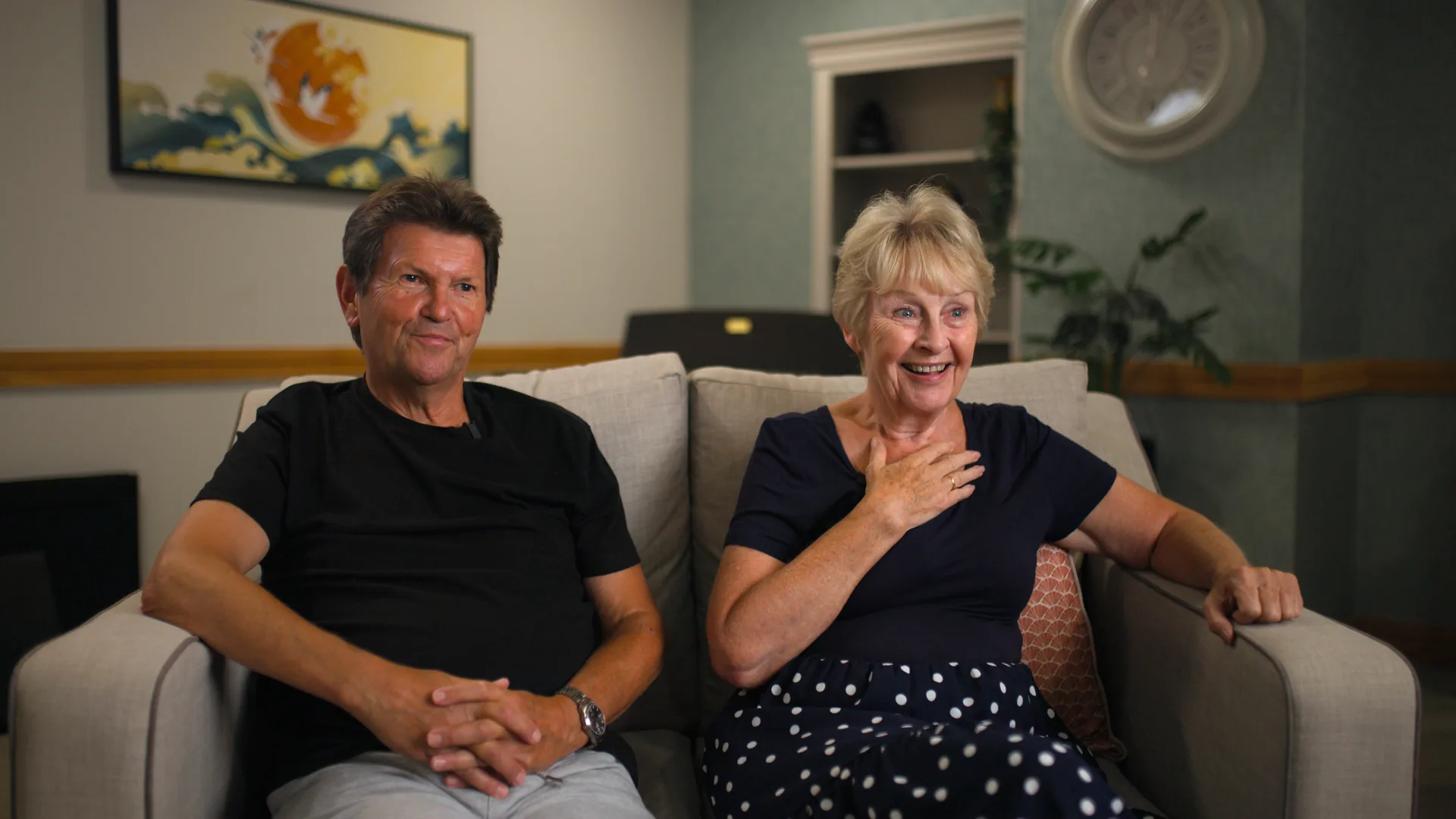
Not a montage of four families saying nice things. A single story with a beginning, a difficulty and an ending gives the watching family somewhere to stand. Montages feel like advertising because they are structured like advertising.
The imperfect sentence is the credible one. A daughter searching for how to describe the moment she knew her mother had settled is more persuasive than a polished line, because polish is what a script sounds like.
This is the thing most homes are afraid to do and it is the thing that works. A testimonial that says "we put it off for eight months, I felt like I was giving up on him, and I was wrong" is far stronger than one that says only that the staff are lovely. The admission is what makes the relief believable.
The emotional destination is reassurance, not urgency. The last thing a watching family should feel is that this might be alright. Not that they should hurry. Not that they are running out of time.
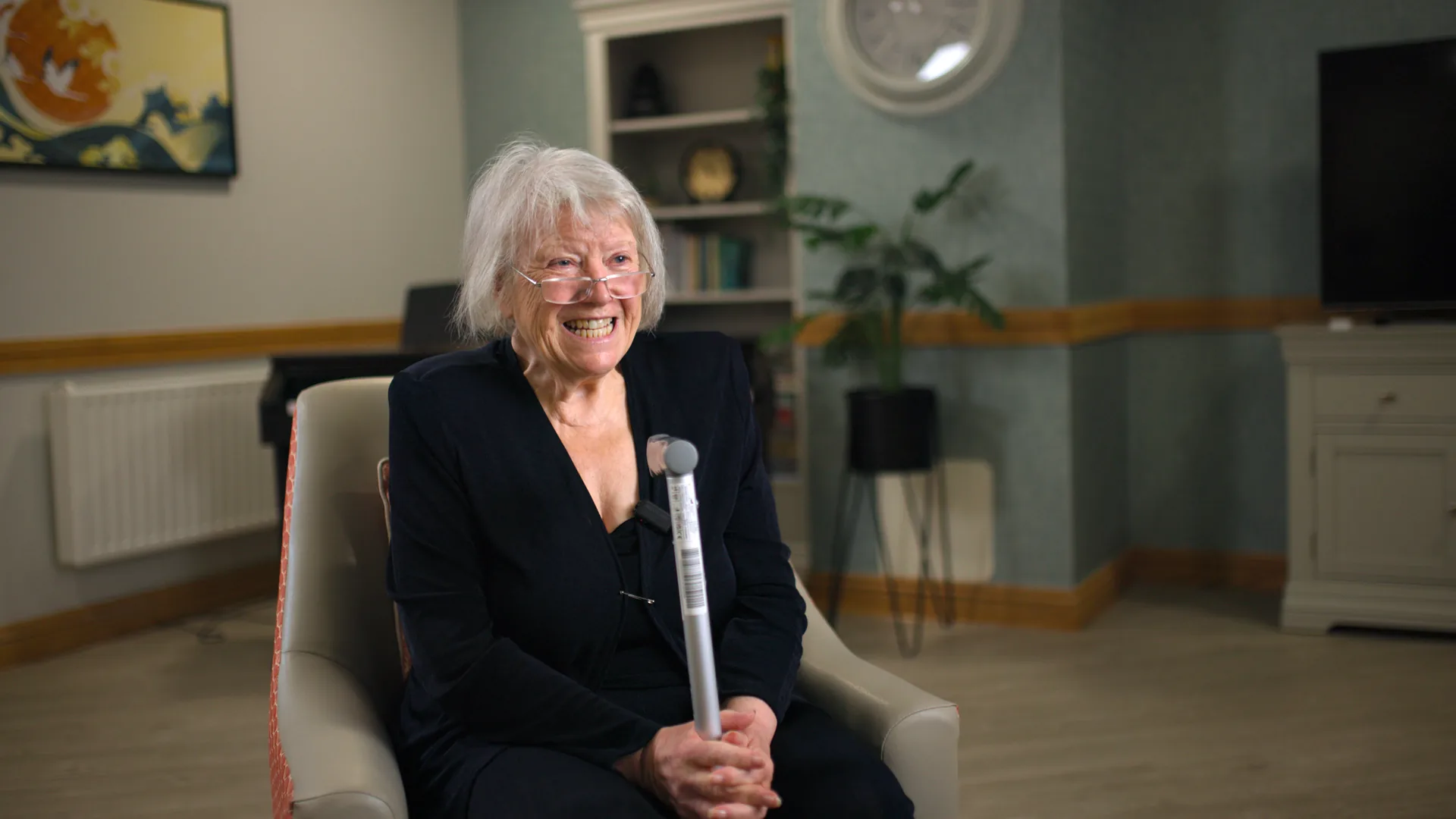
Where they can and want to take part, let them. A film in which the resident is discussed in the third person while sitting there is uncomfortable to watch and tells a family something you did not intend to tell them.
What feels wrong
Six things that quietly push a watching family away.
Any suggestion that a family is failing, running out of time, or making a decision they will regret. They are already carrying that. Pressing on it makes people close the tab.
Recognisable within seconds.
Call now, limited availability, book your tour today. It converts a moment of trust into a transaction and undoes the work.
Staff are a good second voice. They are the wrong first voice, because the family wants to hear from someone who was in their position.
Actors, generated footage, stock inserts. Our films are real people, always.
Drone shots, heavy grading, a cinematic score. It makes a care home look like a hotel advert and pulls attention to the film rather than the home.
Who to ask
Ask the family whose relative settled after a difficult start. Not the easiest story, the most recognisable one. And ask properly: explain where it will appear, make consent informed and revisitable, and accept no as a complete answer.
The practical craft of filming this without disrupting a working home is covered in what makes a care home video feel genuine rather than staged. The wider case is in whether family testimonial videos work for care homes.
Where to use it
Wistia's 2026 State of Video analysis, based on more than 13 million videos and 79 million hours of viewing, found videos under a minute averaged a 52 per cent engagement rate. So cut one short version for social and advertising and keep a longer one on the site.
Paid social is where a film reaches families before they start comparing homes; Ofcom's Online Nation 2025 report found Facebook and Messenger were used by 93 per cent of online UK adults in May 2025. Our pillar on whether Meta ads work for care homes covers how that placement works.
The honest limit
A testimonial cannot fix a home that is not good. It can only make a good home visible.
If the last twenty reviews have turned, the film will read as contradiction rather than evidence, and families will trust the reviews. For a home where the care is good, a family's own words are the quickest way to let the next family see it.
Common questions
One family, one honest story, told in their own words, ending on relief rather than on sales. The strongest testimonials include the difficult part, the months of putting the decision off, because that is the moment the watching family recognises themselves.
Anything that leans on guilt or fear, anyone reciting a script, a resident being spoken about rather than to, and a film that ends on an offer. Families in this position are already carrying enough guilt, and pressing on it makes them close the tab rather than pick up the phone.
Yes, carefully. A testimonial that admits the family put the decision off, worried they were failing their parent, and then found it was alright, is far more persuasive than one that says only that everything is lovely. Honesty about the hard part is what makes the relief believable.
The family member who made the decision, and where appropriate and consented, the resident themselves. Staff work well as a second voice but should not carry the film, because a family wants to hear from someone who was in their position.
On the website where families are deciding, in paid social where you can reach families before they start searching, and on your directory profile. One good film, cut into a short version and a longer one, covers all three.
Keep reading
What the evidence says about family films, and where they earn their place.
What makes a care home video feel genuine?The craft of filming a working home without it feeling staged.
Do Facebook and Meta ads work?How a film reaches families before they start searching.