The guide
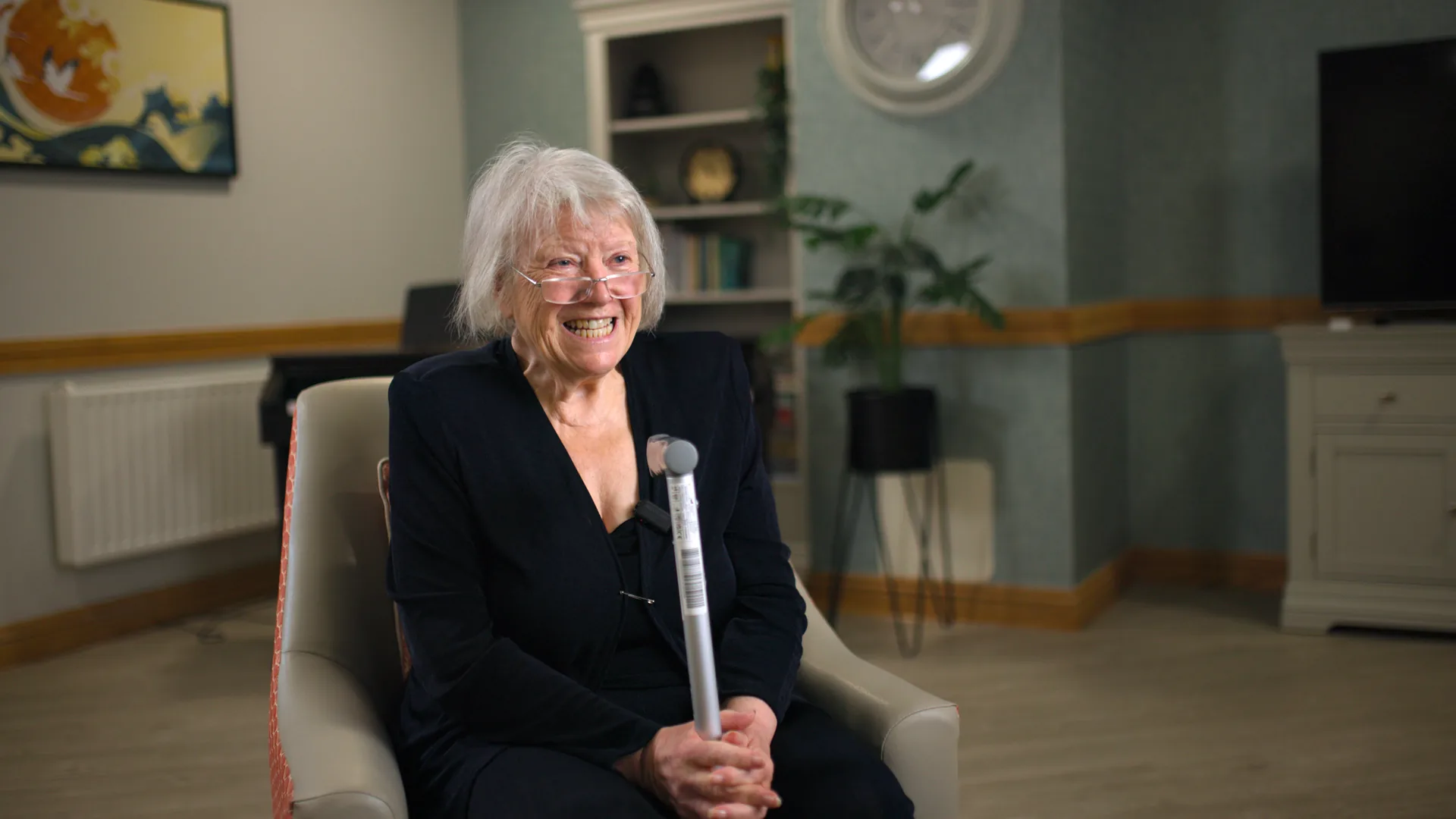
Real people speaking in their own words, filmed during ordinary life rather than arranged for the camera, with natural sound and pacing that is not in a hurry. What gives a film away as staged is almost always the same short list: scripted lines, everyone in fresh uniform, a lounge tidier than it has ever been, and music working hard to create a feeling the footage has not earned.
Updated August 2026
What makes a film feel real, what gives it away, and how to film a working home well. In brief:
Why it matters
Because the whole decision rests on trust, and a family can smell a performance. Care England and Log my Care surveyed 1,000 UK families who had recently arranged care and found 40 per cent said the hardest single part was identifying a provider they could trust, with reputation the most important factor in the final choice at 30 per cent, ahead of cost, staff experience and location.
A film that feels staged does not merely fail to persuade. It moves the family backwards, because they now suspect there is a reason you needed to stage it.
What makes it feel real
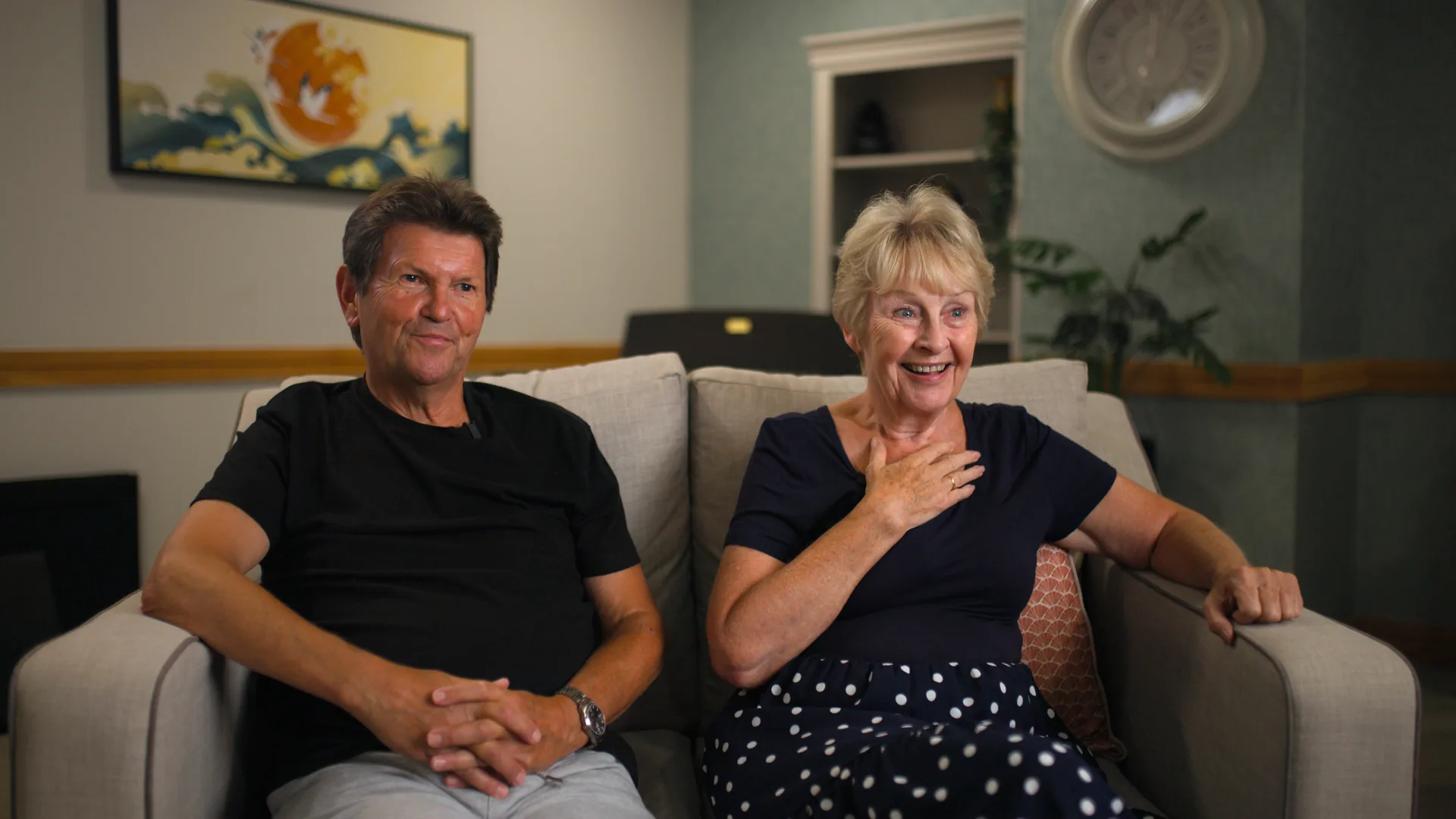
No script. A daughter describing the afternoon she realised her mother had settled, in her own hesitant, imperfect sentences, is worth more than any line a writer could hand her. That means asking good questions and then being quiet, and it means accepting the answer you get rather than the one you wanted.
Film the Tuesday, not the event. Breakfast. Someone doing a crossword. A carer helping with a cardigan. The activities coordinator losing at dominoes. Families are not trying to find out whether you can throw a summer fete. They are trying to find out what a normal day is like, because that is the day their father will be living.
Rooms have a sound and it carries information. Cutlery, a radio, someone laughing in the next room. Stripping all of that out and laying music over the top is the single most common way a genuine film ends up feeling artificial.
Let shots breathe. Fast cutting reads as advertising. Care homes are calm places, or should be, and the edit should feel like the place.
Including the staff. Named people, looking like themselves, not arranged into a line.
The giveaways
It is almost always the same short list.
On that last point we are absolute. Our films are real people. Not actors, not generated.
In a sector where the entire purchase is trust, being caught out on this is not recoverable, and it would be deserved.
On the day
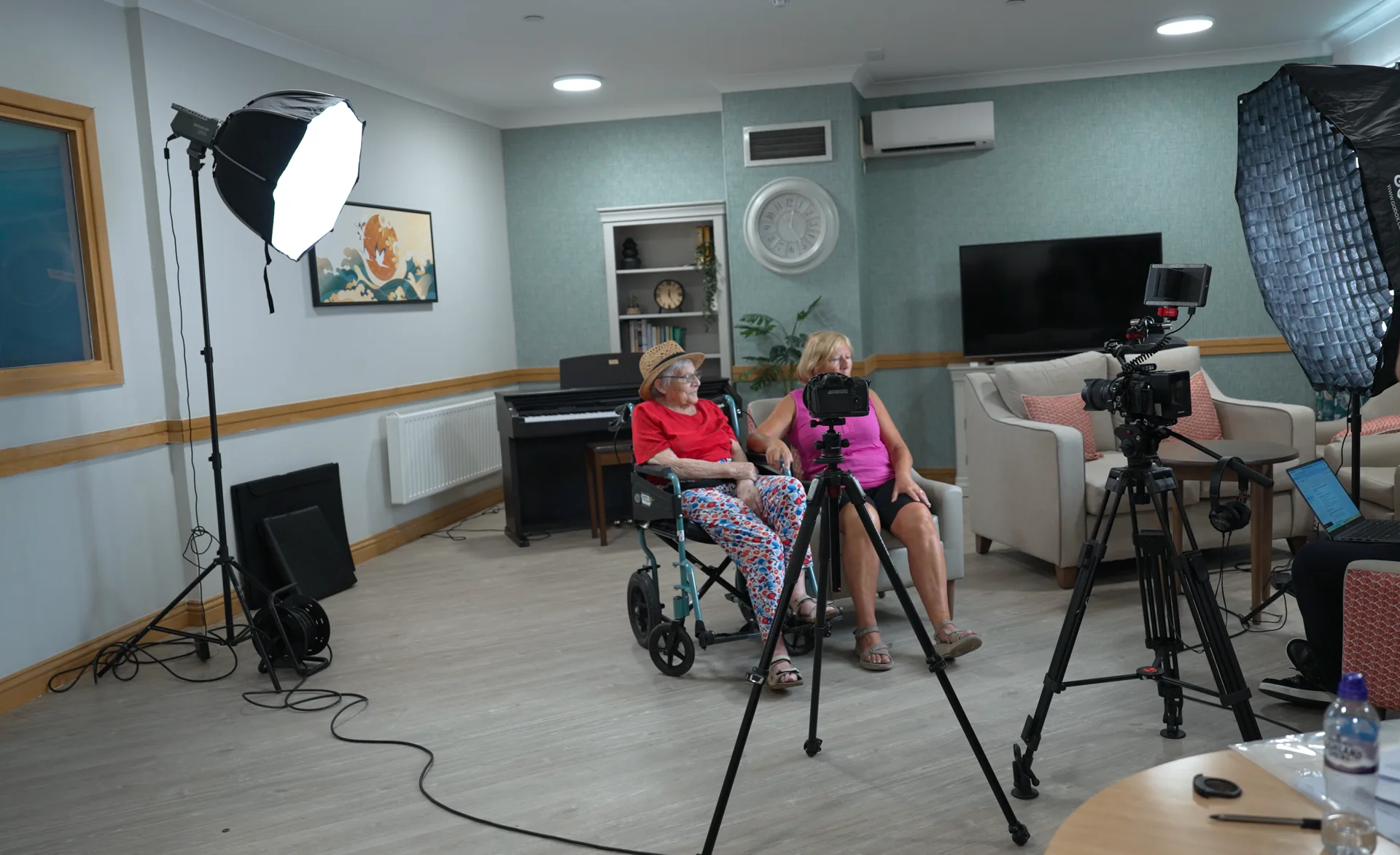
Plan around the home, not around the shoot. Work around meals, medication rounds, personal care and visiting times. Keep the crew small. Use available light where you can. Let people carry on and film what happens.
A crew that stops the home working produces footage of a home that has stopped working, which is exactly the artificial quality you were trying to avoid.
Consent and dignity
Dignity
If a moment is beautiful but the person would not want it seen, it does not get used.
This is not a constraint on the work; it is the reason the work is trusted.
Length
Shorter than most homes expect for social and advertising, longer on your own website.
The average engagement rate for videos under a minute, meaning viewers typically watched about half. Wistia's 2026 State of Video analysis is based on more than 13 million videos and 79 million hours of viewing.
Where attention is shortest, under a minute holds it best. See where these films are placed.
For the family who has decided to sit down with it.
Where this fits
Whether film works at all for care homes is covered in our pillar, do family testimonial videos work for care homes, and the honest account of which testimonial approaches land and which feel wrong is in family testimonial videos: what works and what feels wrong.
Common questions
Real people speaking in their own words, filmed during ordinary life rather than a set-up, with natural sound and unhurried pacing. The things that give a film away as staged are scripted lines, everyone in fresh uniform, an unusually tidy lounge, and a soundtrack doing emotional work the footage has not earned.
No. Families can tell, and being caught using actors or generated footage in a sector built on trust is not recoverable. Real residents, real families and real staff, filmed with proper consent, are both more honest and more effective.
Plan around the home rather than the shoot: work around meals, medication rounds, personal care and visiting times, keep the crew small, use available light where possible, and let people carry on. A film crew that stops the home working produces footage of a home that has stopped working.
Shorter than most homes expect for social and advertising, where under a minute holds attention best, with a longer piece on the website for families who want to sit with it. Wistia's 2026 State of Video analysis found videos under a minute averaged a 52 per cent engagement rate.
Yes, always, and it should be informed and revisitable rather than a signature collected on the day. Where a resident lacks capacity, follow your own safeguarding and mental capacity processes and involve the family. Dignity comes before the shot, every time.
Keep reading
Five kinds of film compared, and which to make first.
How do I show families what daily life is really like?Showing an ordinary day, honestly, before a family visits.
Who makes professional videos for care homes?What to look for in a team that films in working homes.