The guide
A care home ranks higher in Google's map results by matching what the family searched for, being close to where they are searching, and being well known and well reviewed. Only the first and the last of those are in the home's hands, and four steps move a home up: complete the Business Profile with the right category, add real photographs, earn and answer reviews, and keep the home's details identical everywhere online.
Updated November 2026
What to know, in brief:
What decides it
Google's own guidance says local results rest mainly on three things. A home can shape two of them.
| Factor | What Google means by it | Can the home change it? | What to do about it |
|---|---|---|---|
| Relevance | How well the profile matches what the family searched for. | Yes, largely. | Choose the right main category and complete every field, so the profile reads as an older people's care home. |
| Distance | How far the home is from the person searching. | No. | Nothing to change. Make sure the address and map pin are correct so the home appears when it should. |
| Prominence | How well known the home is, shaped by reviews and by links from other websites. | Yes, over time. | Earn genuine reviews, reply to each, and keep the website and directory entries accurate and linked. |
Checking where you stand
Search the way a family would, on a phone, for "care homes near me" and for "care homes in" your town. Then ask a colleague or a relative who lives a few miles away to do the same. Results change with the searcher's location, so one check gives a rough picture and a few give a better one.
It is worth doing, because the search is common. Ofcom's Online Nation 2025 found that Google Search was used by 82 per cent of online UK adults in the month, and the person searching for a parent is often a close family member doing it on their phone, with a map, a few listings and photographs on the screen before any website.
What to do first
Four steps, in this order, none of which costs anything but attention.
Pick the most accurate main category, complete every field, and check the address, hours, phone number and website link are right.
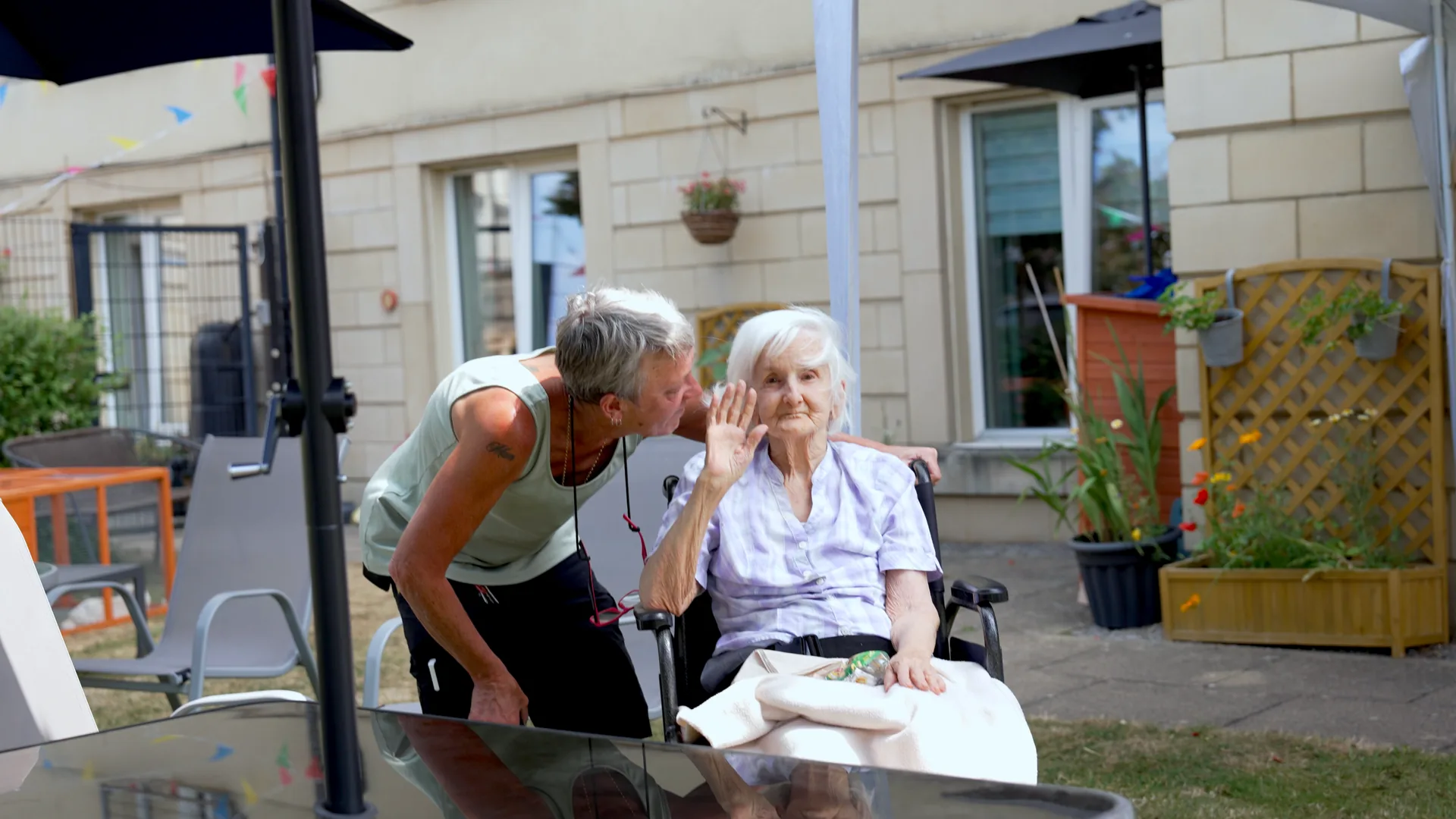
Use current pictures of the home, the garden and the people, with consent. Photographs taken on a filming day are a good source, and the home keeps them.
Ask families for honest reviews when the time is right, and reply to every one, including the critical ones, calmly and without breaching confidentiality.
Keep the name, address, phone number and website identical on the website, the directories and social pages, and link the profile to a page that loads quickly and answers a family's questions.
The numbers
A great deal, and the reviews do two jobs: they help the ranking and they persuade the family who reads them.
Sources: Whitespark, Local Search Ranking Factors 2026, a survey of local search specialists, so a view of what practitioners see rather than a statement from Google, and Care England and Log my Care, with the reputation finding.
The limits
Knowing the difference saves effort and disappointment.
Outside the home's control
How far the home is from the person searching, what nearby homes are doing, and the ranking itself. Google states there is no way to request or pay for a better local ranking, and results differ from one searcher to the next.
Alongside everything else
They are strong at one job, and they work best next to the others.
The map reaches people who have begun looking for a home near them. It does not reach a family that has not started, and that is its ceiling.
Families use both, so a complete profile and accurate directory entries support each other.
Families who have not startedPaid social introduces the home earlier, before a family opens a map. It is covered in our guide to Meta ads.
Common questions
By completing the Google Business Profile with the right main category, adding real current photographs, earning and answering reviews, and keeping the name, address, phone number and website identical everywhere online. Google says local results rest mainly on relevance, distance and prominence, and a home can shape relevance and prominence but not distance.
No. Google's own guidance says there is no way to request or pay for a better local ranking. Paid adverts are separate from the map ranking that comes from the profile, so the work that moves a home up is the unpaid work on the profile, the reviews and the website.
We know of no published number. Google says more reviews and positive ratings can help a business's local ranking, and Whitespark's 2026 study put review signals at 20 per cent of local pack influence, up from 16 per cent in 2023. A steady flow of genuine reviews, each answered, is a better aim than a target figure.
Often because of distance from the person searching, because its profile matches the search more closely, or because it is better known and has more reviews. Results also differ from one searcher to the next, so a home can appear first for one family and third for another.
Changes to a profile, such as the category, details and photographs, can show within weeks, while reviews build over months. Nobody can promise a position, because the ranking also depends on distance and on what nearby homes are doing.
Keep reading
Why the profile is worth the effort, and the mistakes that quietly cost enquiries.
Do online reviews matter?How reviews shape both ranking and the decision a family makes.
Why families are not finding your homeThe wider guide to online visibility this one sits within.