The guide
A show-around turns into a move-in when the visit answers the family's real questions, the next step is agreed before they leave, and someone from the home follows up while the decision is still being made. No published UK figure tells a home what share of show-arounds should end in a move-in, so the useful aim is to learn why your own visits do and do not go further, and to improve that one step at a time.
Updated November 2026
What to know, in brief:
What decides it
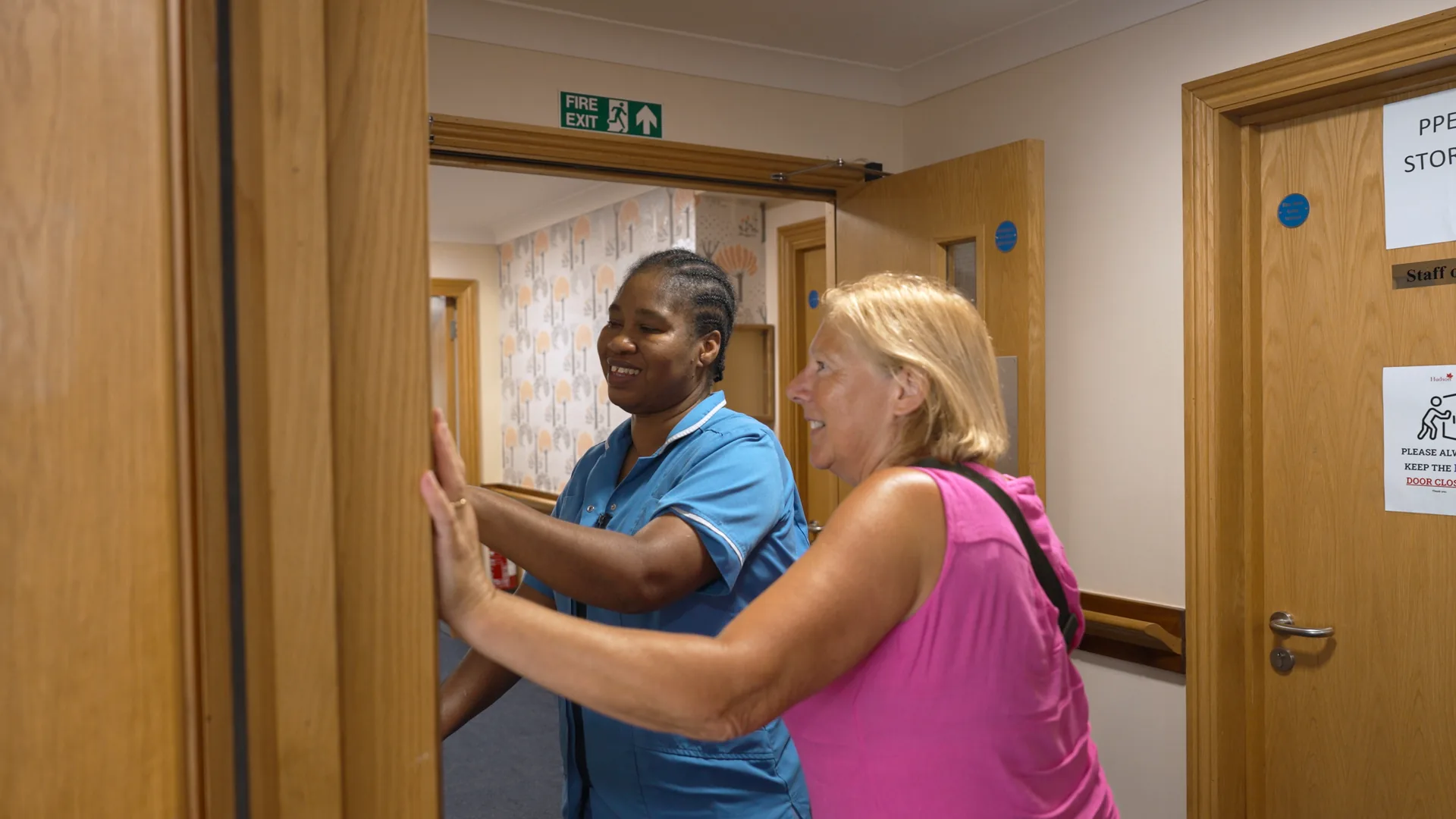
Mostly what they see in the people and the daily life of the home, more than the building. In the Log my Care and Care England survey of 1,000 people arranging care for a family member (April 2026), reputation was the most common factor in the final choice at 30%, followed by safety and safeguarding at 29% and staff experience at 24%.
A show-around is where those three become visible. Families meet the team, notice how residents are spoken to and form a view on safety, and most of them are doing it while finding the whole process hard: 97% in the same survey found arranging care difficult. The rooms matter, and they carry less weight than how the home feels to the people looking round.
The visit itself
Time with people, a look at an ordinary part of the day and a clear next step. When the visit is booked, ask who is coming and what they are unsure about, so you can shape it around them.
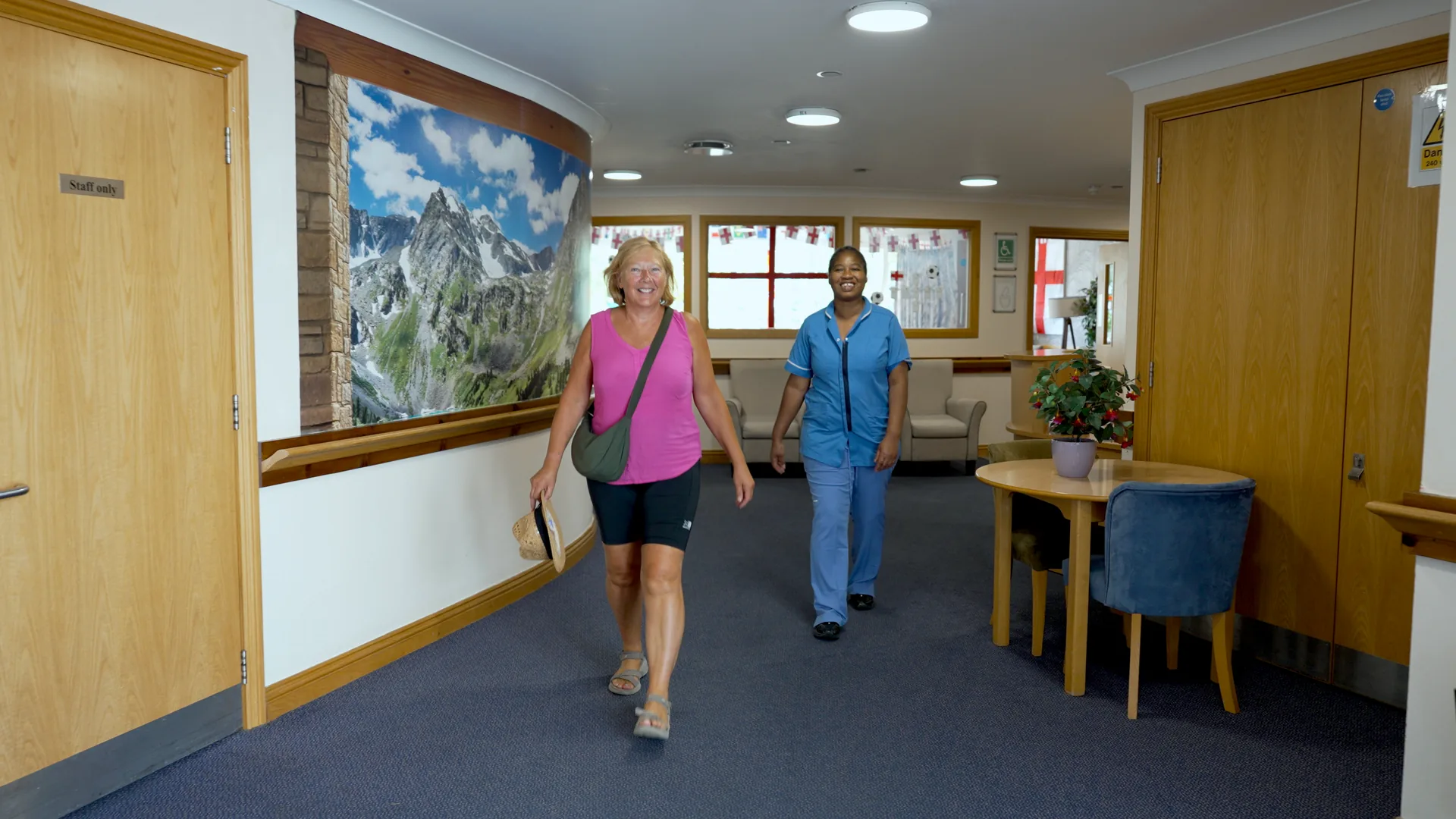
Introduce the family to the carer or team member who would know their relative day to day, as well as the manager. Families form a view of staff by watching how they speak to residents, so a walk through lived-in spaces tells them more than a quiet corridor.
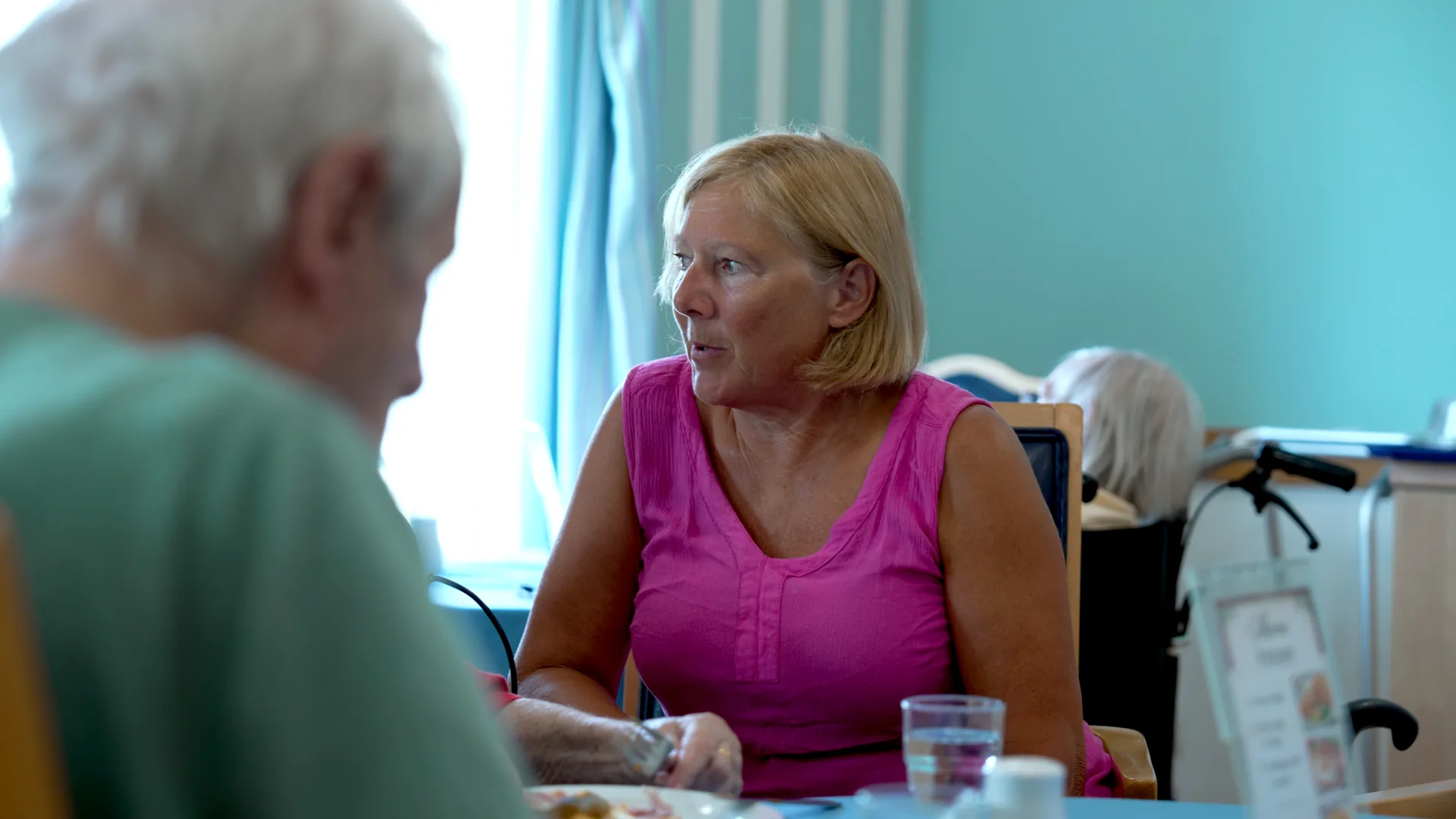
Where it suits residents and routines, let the family see a mealtime, an activity or a quiet afternoon in the lounge. Ask residents before anyone is introduced or photographed, and respect their privacy throughout.
Before the family leaves, agree what happens next: a second visit, a meal, a call with the person who would assess their relative, or a written summary. Say who will be in touch and by when.
The follow-up
The same day or the next, because for many families the decision is not far off.
Sources: carehome.co.uk, Ageing Britain, December 2025 and Care England and Log my Care, 29 April 2026. The first two figures describe how soon people needed care, not how long they take to choose a home, and we know of no UK study that times follow-up after a visit. They are a good reason to reply while the decision is live.
After the visit
Often because the decision is still being made, not because the visit went badly.
What the home can do
A short message that answers an open question, offers a way to carry on and leaves the family to reply in their own time helps more than a reminder. It shows the home has listened, which is what a family is trying to judge.
The week after
Four small steps, none of which presses for a decision.
Thank the family by name, mention one thing they told you about their relative, and repeat the next step you agreed.
Answer the question left open in the room, in writing, with any information they asked for.
A second visit, a meal, or a conversation with the person who would assess their relative, if the home offers them.
A week or so later, a short note saying you are glad to answer anything else. Then leave the door open.
Knowing if it works
Record what happens to every visit, because there is no UK benchmark to compare against. A simple log is enough: the date, who came, how they first heard of the home, what they were unsure about, what was agreed and, when it is known, the outcome and the reason. After a few months the pattern shows where families drop away. The guide to enquiry-to-move-in rates explains why your own figure is the useful one.
When we work with a home we ask for the team's feedback on whether families were suitable, whether visits took place and what happened next, so the advertising is judged on more than the number of enquiries. That feedback also shows which questions families bring to a visit, which helps the next conversation. For the first step of that journey, see how quickly to respond to an enquiry.
Common questions
We are not aware of a published UK benchmark for the share of show-arounds that lead to a move-in, and figures from other countries or other settings do not transfer well. A home's own record is more useful: note the outcome of every visit over several months and look for the point where families drop away.
The same day or the next, with a short personal message that thanks the family, answers any question left open and says what happens next. Data from carehome.co.uk for January to September 2025 found that 52% of people seeking a care home needed help within one month of their enquiry, so a long wait can matter.
Treat the silence as a decision that is still being made. Send one useful message that answers an open question, offer a second visit or a call with the person who would assess their relative, and check in once more a little later. Repeated reminders tend to add pressure without adding information.
Where it suits residents and the home's routines, yes. A second visit lets other relatives see the home and gives the family another look at the people and the daily life, which are the things most families weigh. Agree the offer with your team first so that it is easy to keep.