The guide
Care home marketing is different because you cannot create the demand, the person buying is usually not the person moving in, and the decision is made under pressure by a family who have often never done this before. Everything else follows from those three facts: the channels you choose, the way you write, the pace you should expect, and what you are honestly able to promise. The discipline itself is not exotic. Around ninety per cent of it is ordinary marketing done properly. The other ten per cent is where most campaigns quietly fail.
Updated August 2026
Six things change. Most of the rest is ordinary marketing. In brief:
The starting point
In most sectors, marketing creates demand. You put the right offer in front of enough of the right people and some of them decide they want something they were not thinking about that morning. Care does not work that way, and every difference that follows comes from this one.
Care England and Log my Care's national study of 1,000 people responsible for arranging care for a family member, carried out by Sapio Research, found that nearly half of families, 47%, began their search because needs had increased, against 21% who started because of carer stress. Decisions are reactive. Something changes at home and suddenly it cannot wait.
No advert brings that moment forward. So the job changes shape entirely. You are not persuading a family to want a care home. You are making sure that when the moment arrives for a family a few miles from your door, you already exist in a form they can trust.
What else changes
Each one quietly breaks an assumption that holds almost everywhere else.
The person researching, shortlisting and calling is typically a close family member: most often an adult son or daughter, but frequently a spouse, a sibling, a niece or nephew, or a grandchild. Your website is read by one person and your care is experienced by another. Write for the reader, without ever losing sight of the resident.
In the same research, 97% of families said arranging care was difficult, with two thirds starting without clarity about the type of care needed. Reputation was the top factor in the final decision at 30%, ahead of safety and safeguarding at 29%, while only 19% used inspection reports during their research at all.
You are not marketing to a nation. You are marketing to the families of older people within a realistic travelling distance of one building. That changes what a sensible budget looks like, what targeting means, and what counts as a good number of enquiries in a month.
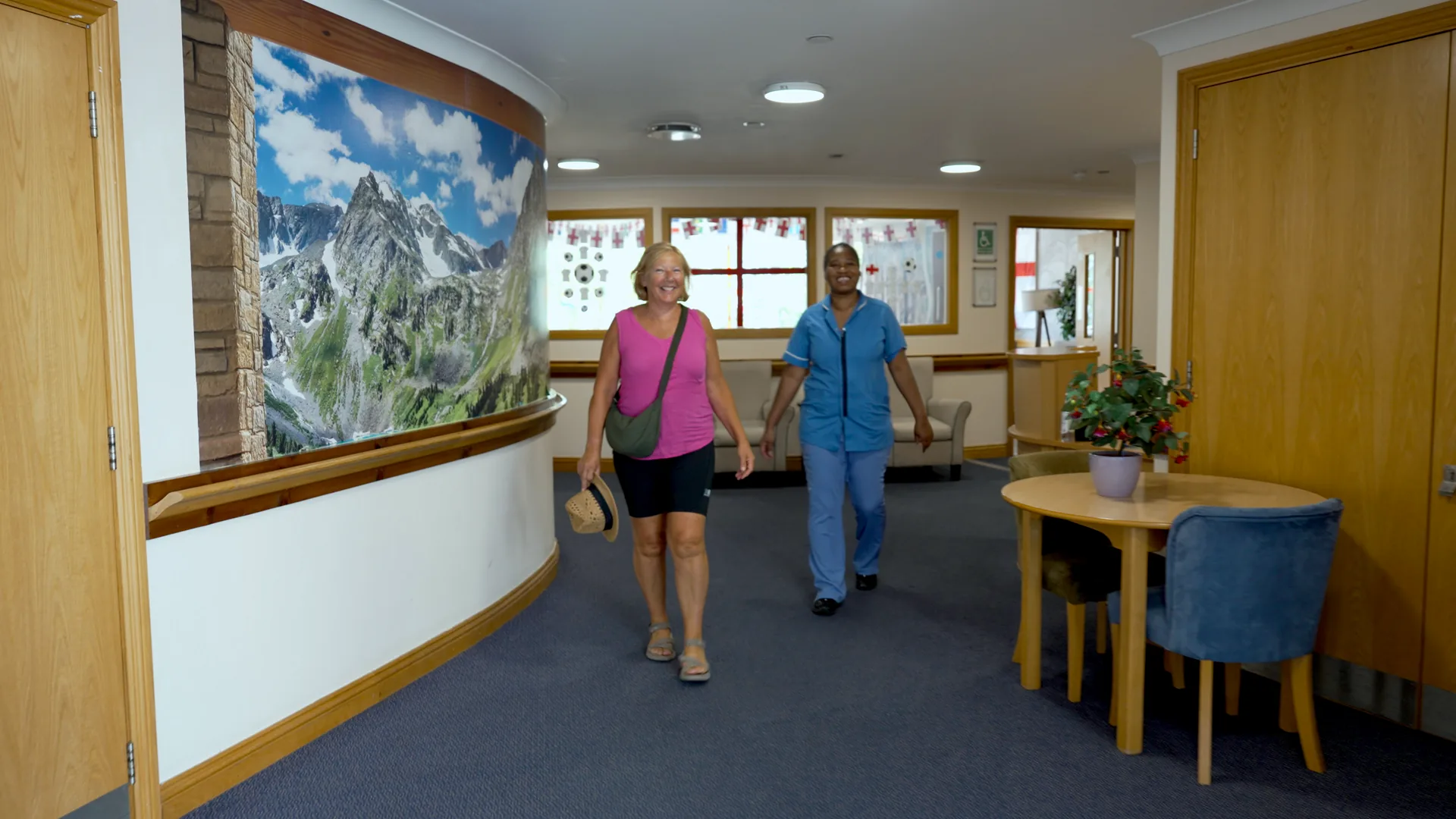
The reader
You are marketing to a family member under pressure, not to the resident. That single fact reshapes the copy, the imagery and the channel choice. It means writing to someone who is anxious and short of time, not to someone browsing.
It means answering the questions they are too polite to ask, about what a day actually looks like, what happens at night, and what happens when things get harder. It means showing real people rather than stock photography, because a family is trying to picture a specific person in a specific building.
There is one more thing, and it is the difference between marketing that works here and marketing that offends. Families arrive carrying guilt, exhaustion and the sense that they are failing someone. Marketing that leans on that feeling is both unpleasant and ineffective. Marketing that ends on relief works.
Side by side
It can absolutely do good work, and plenty do. The gap is not talent, it is context. All four routes below work. The question is which ceiling you hit first.
| Route | Does well | Where it hits a ceiling | Best for |
|---|---|---|---|
| In-house, usually the manager or an administrator | Knows the home, the families and the tone better than anyone could from outside | Time. Marketing is the first thing dropped when the rota breaks | Homes with steady occupancy that need presence, not growth |
| Local general marketing agency | Websites, branding, paid social. Responsive, easy to meet, invested in the area | Learns the sector on your budget: consent, capacity, regulation, and how families actually decide | Operators who want a competent generalist and can direct them closely |
| Large full-service agency | Depth of specialism, strong reporting, proper process behind the work | Your account is small to them, and care rarely gets their most experienced people | Groups with enough scale to be a meaningful client |
| Care sector specialist | Starts with the family journey already understood, and knows what is defensible to say about a home | Smaller choice of suppliers, and a specialist can get formulaic if they run the same play everywhere | Operators with private beds to fill who want the learning curve already paid for |
If you are weighing this up, there is a fuller set of questions worth asking before you pick a marketing partner for your home, whichever route you take.
The risks
Four failures come up repeatedly, and all four come from importing a tactic that works perfectly well somewhere else.
Countdowns, limited availability, pressure language. Families read this as a home that needs to fill beds, which is precisely the impression you cannot afford to give.
Copy that implies a family is not doing enough for their parent. It produces a flinch, not an enquiry, and it is the fastest way to be remembered badly in a town where people talk.
"Person-centred care in a warm, homely environment" describes every home in the country. It gives a family nothing to choose on, and it looks the same as the four other homes on their shortlist.
Chasing lead numbers in a catchment that contains a limited number of families each month. Ten relevant enquiries beat a hundred irrelevant ones, and the reporting should be built to show that.
Honest balance
Care does not need a different discipline. It needs the ordinary discipline applied by someone who understands two unusual things about it.
What does not change at all
Good positioning, fast responsive websites, clean tracking, honest reporting, a clear offer, decent photography and consistent presence all work here exactly as they work anywhere. The one addition is that the marketing does not stop at the sale. Care England and Log my Care's follow-up study found seven in ten families would like daily updates while only around half receive them that often, and 81% of families whose provider offers a digital platform say it contributes positively to the quality of care. The families you look after well are the families who tell the next family.
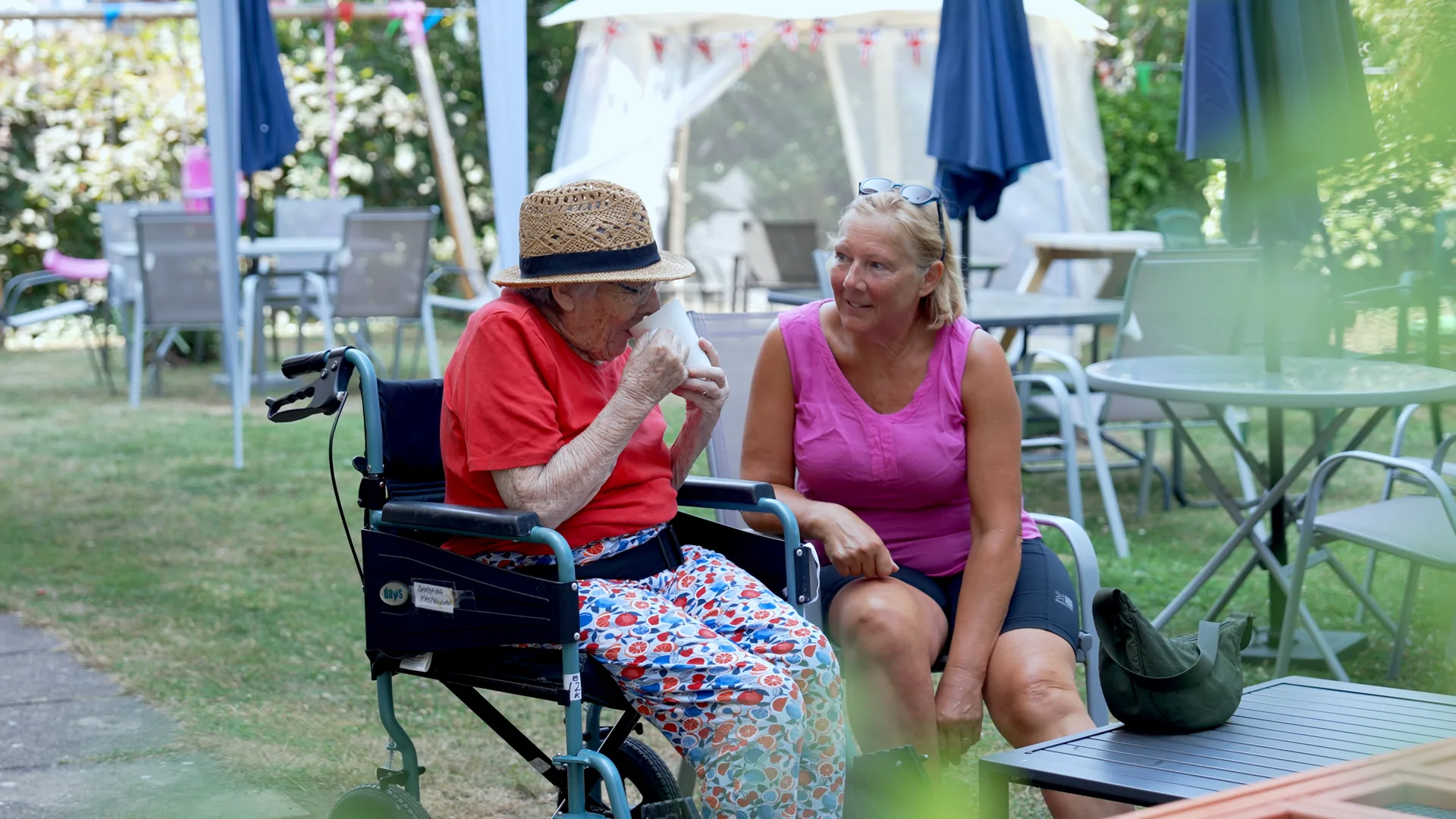
Cost and timing
It is priced on the same models as any other marketing, but the maths underneath is unusual, because one filled bed is worth a great deal and there are only so many beds. You will be offered some combination of four models.
Each is legitimate. Price varies with scope, so the useful question is not what it costs but which model you are being offered, what happens if it does not work, and who owns what you have paid for at the end. We walk the specifics through on a call.
On timing: weeks for the fast channels, months for the ones that compound, and you want both. Paid social and paid search can produce enquiries inside the first month because they reach people already in the window. Search visibility, reviews and referral relationships take months and then keep paying. This matters more than it used to, because CQC's State of Care 2024/25 recorded 84% of care home beds occupied in England, up from 78% in 2021/22, with London highest at 87%. The homes with empty beds are increasingly the ones with a visibility problem rather than a market problem.

Who this is for
If you have private beds to fill and a catchment where families have real choice, sector knowledge saves you a year of learning. If your home is consistently full, or your beds are filled through local authority placement with little private enquiry, then keeping your presence and reputation in good order is enough and specialist campaign work is premature. Marketing does not fix a home that is not good. It makes a good home visible to the families who would choose it if they knew it existed. If families are not finding you at all, start with why families may not be finding your care home online before spending anything on advertising, and if you are weighing channels, there is a direct comparison of Meta ads and directory listings.
Common questions
Yes, and many do it competently. A good general agency can build a decent website, run clean paid social and report honestly. The difference is the learning curve. A general agency spends its first few months discovering what the care sector already knows about consent, capacity, regulation and how families actually decide, and that learning happens on your budget rather than someone else's.
Because most lead generation is built to create demand, and care demand cannot be created. Families start looking when a parent's needs change, not when an advert persuades them. Tactics that work by generating impulse, urgency or discount pressure tend to read as insensitive here, and insensitive advertising does more damage in care than in almost any other category.
Not necessarily, but it is priced differently, because the audience is small and local and the value of a single move-in is high. The models you will be offered are a monthly retainer, a project fee, a media buying percentage, or payment tied to results such as enquiries or move-ins. Price varies with scope. Ask which model you are being offered and what happens if it does not work.
Paid social and paid search can produce enquiries within weeks because they reach families who are already looking. Search visibility, reputation and referral relationships build over months. A sensible plan runs both at once: something that reaches families this month, and something that compounds so you are not starting from nothing next year.
The principles hold, the structure changes. A single home markets one catchment and one manager's reputation. A group has to decide how much sits at brand level and how much stays local, because families choose a building and a set of people, not a head office. Groups that centralise everything usually lose the local detail that persuades.
Keep reading
What to ask, what to look past, and the answers that tell you who has actually worked in care.
Meta ads or a directory listing?Two channels that both work, compared on speed, cost of attention and where each one stops.
Why families cannot find youThe visibility problems that keep a good home off a family's shortlist before it is ever considered.