The guide
Care home enquiries come from a handful of overlapping routes: directories and listings, online search, recommendations from people the family knows, and the home's own website, followed by a phone call or a form. Most families use several of these before they get in touch, so the source a home records is usually the last thing the family used, not the first.
Updated October 2026
What to know, in brief:
The routes
Three groups cover most of them.
Families compare homes on directories and listing sites, and Care England and Log my Care (2026) found directories were the route used most during research, at 55%. They work well for being found while a family compares. The ceiling is that a listing shows your home beside its neighbours, so there is little room for the home to explain itself.
Online search came second, at 40%. A family who searches reaches the home's website, its Google Business Profile and its reviews, and what they find there decides whether they ring. These routes depend on the page answering the question the family typed.
Word of mouth was named by 38%: a friend, a professional, a neighbour whose parent lived there. It is trusted and hard to track, because the family often searches the home's name afterwards, so a recommendation can appear in your records as an online search.
The gap
Because a form records where someone was last, not everywhere they have been.
What the family did
A family may have heard of the home from a friend, compared it on a directory, searched its name and read the reviews before calling. In the Lottie Care Index for Q1 2026, 74% of care seekers who declared a relationship were searching for a family member, so the caller is often a relative working through those steps for someone else, and can usually tell you how they found you if asked.
The numbers
Care England and Log my Care asked 1,000 people responsible for arranging care for a family member where they looked. The figures add up to more than 100%, because people named more than one route.
The sample covers people arranging different kinds of care, so read these as a guide to behaviour, not a count for any one home. Source: Care England and Log my Care, 29 April 2026.
The sources
Seven cover almost every home. Record each one the same way.
| Source | What it tells you | How to record it | Watch for |
|---|---|---|---|
| Phone call | Often the last step, and the richest conversation | Ask how they first heard of you and log the answer in their words | Callers who say the website when they first heard elsewhere |
| Website form | The family chose to write rather than ring | A source field on the form, or a separate form per page | Forms that capture the last step only |
| Directory enquiry | The family compared you on a listing | The directory's own report, checked against your log | Counting it as the first touch every time |
| Google Business Profile | Local search, reviews, directions and calls | Profile insights, kept apart from website visits | Calls from the profile logged as direct calls |
| Social and paid ads | Families introduced to the home before they searched | Tracking links, plus the question on the call | Enquiries that arrive later by search after seeing an ad |
| Word of mouth | A trusted voice sent them | Ask whether anyone suggested the home | Under-recording, because it sits on no dashboard |
| Visits and tours | The enquiry became a visit | Log the source against every visit booked | A visit booked with the source lost |
Finding out
Four steps, in this order.
On every call, ask how they first heard of the home, and write the answer in the caller's own words.
Keep the first source from their answer and the last source from the number or form they used.
Six or seven sources, named the same way each month, are enough to see a pattern.
Go through it monthly with the people who take the calls, and set it beside visits and move-ins, not enquiries alone.
Where we fit
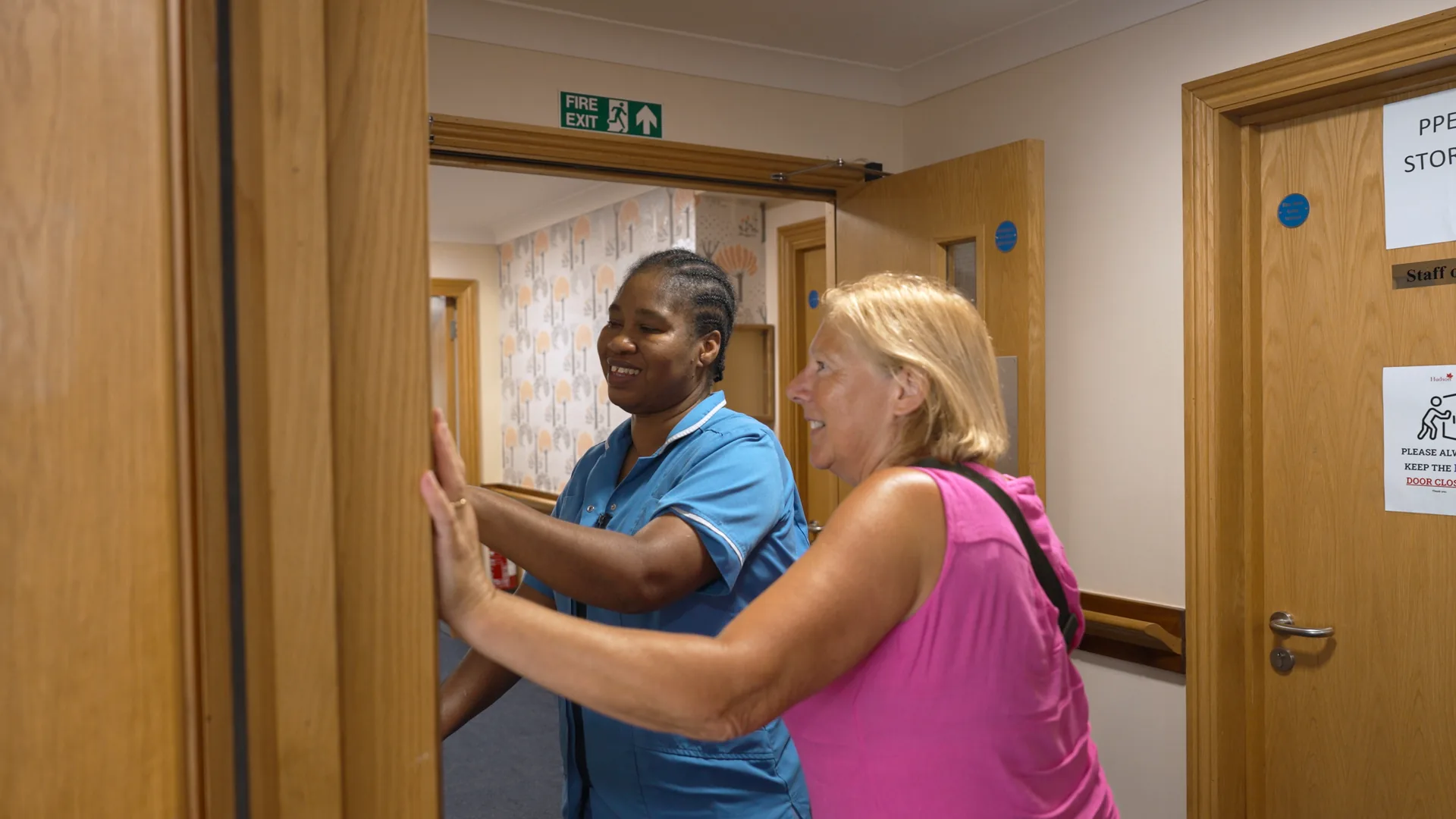
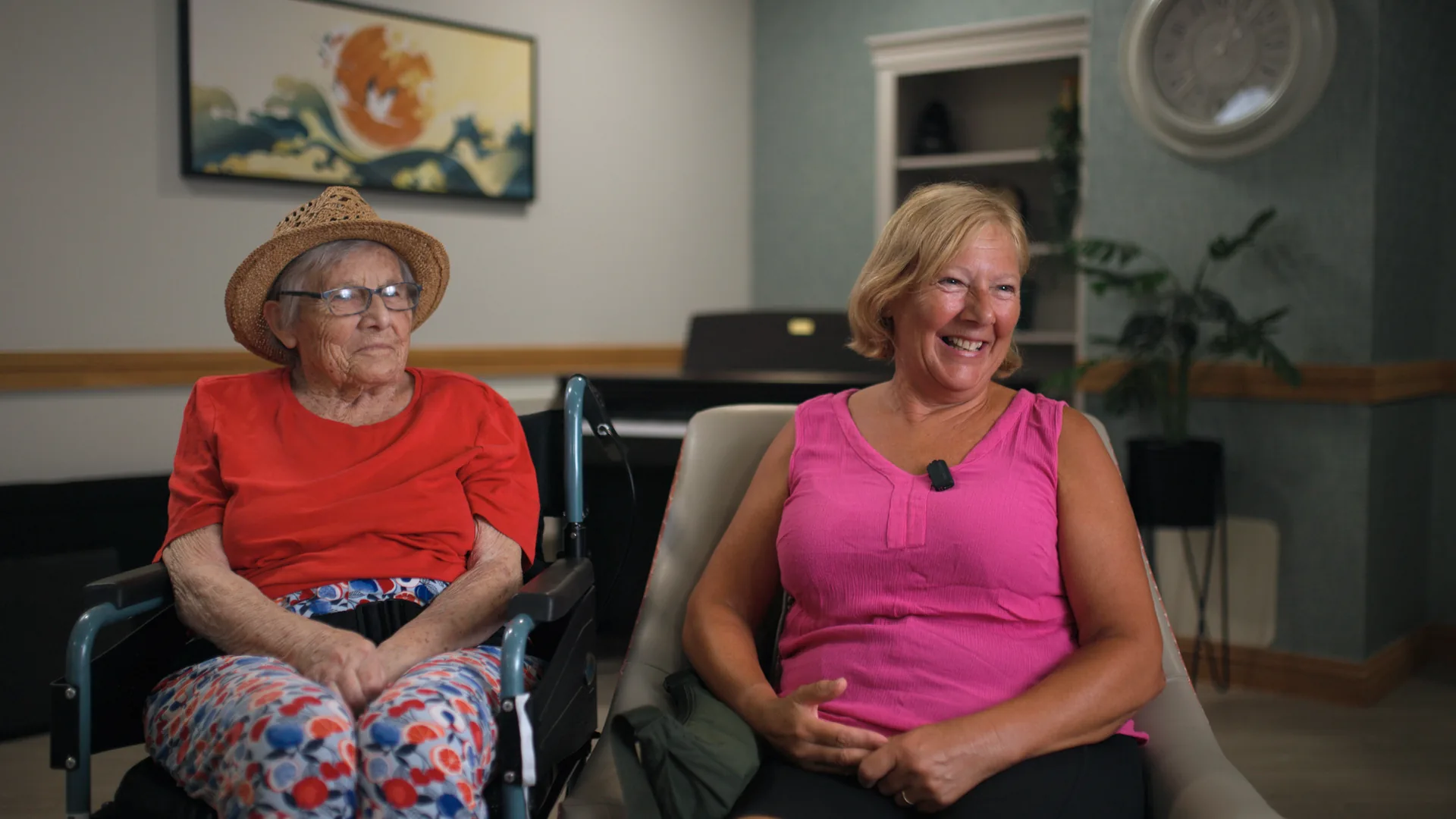
Heritage makes family-story films, manager films and daily-life footage in one shoot day at the home, along with photographs, and the home keeps them. They are real people, never actors and never AI, with consent handled for everyone who appears. The content runs in Meta campaigns aimed at families in the surrounding area, with an enquiry page built alongside. We review campaign performance alongside feedback from your team: whether families were suitable, whether visits took place and what happened next.
To see how enquiries connect to move-ins, our guide to a good enquiry-to-move-in rate is the next step, and how families use directories and Google sets out those routes in more detail. For the wider picture, see how to increase care home occupancy.
Common questions
In the 2026 Care England and Log my Care research, which asked 1,000 people arranging care for a family member, directories were used most (55%), then online search (40%) and word-of-mouth recommendations (38%). Because those figures add up to more than 100%, most families use more than one route.
The log usually records the last step, such as the website form or the call button on a listing, while the family may have first heard of the home from a friend or compared it on a directory days earlier. Asking how they first heard of you closes much of the gap.
Yes. Mediahawk's spring 2026 care homes trends report found calls and website visits both rose 9% year on year, while the visitor-to-call ratio fell 7.5%. More people look before they ring, and calls are still rising, so the call remains where a family and the home first speak.
Six or seven is enough: phone calls, website forms, directory enquiries, Google Business Profile, social and paid ads, word of mouth, and visits. Name them the same way each month so one month can be compared with the next.