The guide
The care home marketing ideas that fill beds most reliably are the ones that help families who are already deciding: answering every enquiry the same day, making the first visit about real daily life, keeping directory and Google profiles current, and asking recent families for a review. Showing real families and staff on film, advertising to families before they search, and a website that answers their questions then add new families on top.
Updated October 2026
Ten ideas, ranked by how strong the case is and how much effort each takes. In brief:
The ranked list
Start with the ideas that improve what happens when a family gets in touch, because they cost the least and help every other idea work. The table ranks all ten, with the honest ceiling of each.
Directories, Google and advertising all work. The ranking is about where the next hour of effort goes furthest.
| # | Idea | Effort | Speed | What it does | Ceiling |
|---|---|---|---|---|---|
| 1 | Answer every enquiry the same day | Low | Days | Turns the interest you already have into visits | Limited by how many enquiries arrive |
| 2 | Make the first visit about daily life | Low | Weeks | Lets a family see what an ordinary day feels like | Limited by how many families visit |
| 3 | Keep directory and Google profiles complete and current | Low | Weeks | Makes you easy to find and accurate where families start | Sits you beside your competitors |
| 4 | Ask recent families for a review | Low | Weeks to months | Builds the reputation families weigh most | Builds slowly, then protects everything else |
| 5 | Show real families and staff on film | Medium | Weeks to months | Lets a family feel the home before they call | Needs the basics behind it to convert |
| 6 | Advertise to families before they search | Medium | Weeks to months | Reaches the family quietly carrying the decision | Works best on top of ideas 1 to 5 |
| 7 | A website that answers families' questions | Medium | Months | Gives every other channel somewhere good to land | Slower to start, most durable once built |
| 8 | Build relationships with local professionals who advise families | Medium | Months | Earns trusted introductions | Depends on your area and on time invested |
| 9 | Make your home easy for AI search to describe | Medium | Months | Helps AI tools describe you accurately | Early, and slower to measure |
| 10 | Tell your story in local and trade press | Medium | Months | Adds credibility families and AI both notice | Occasional, not constant |
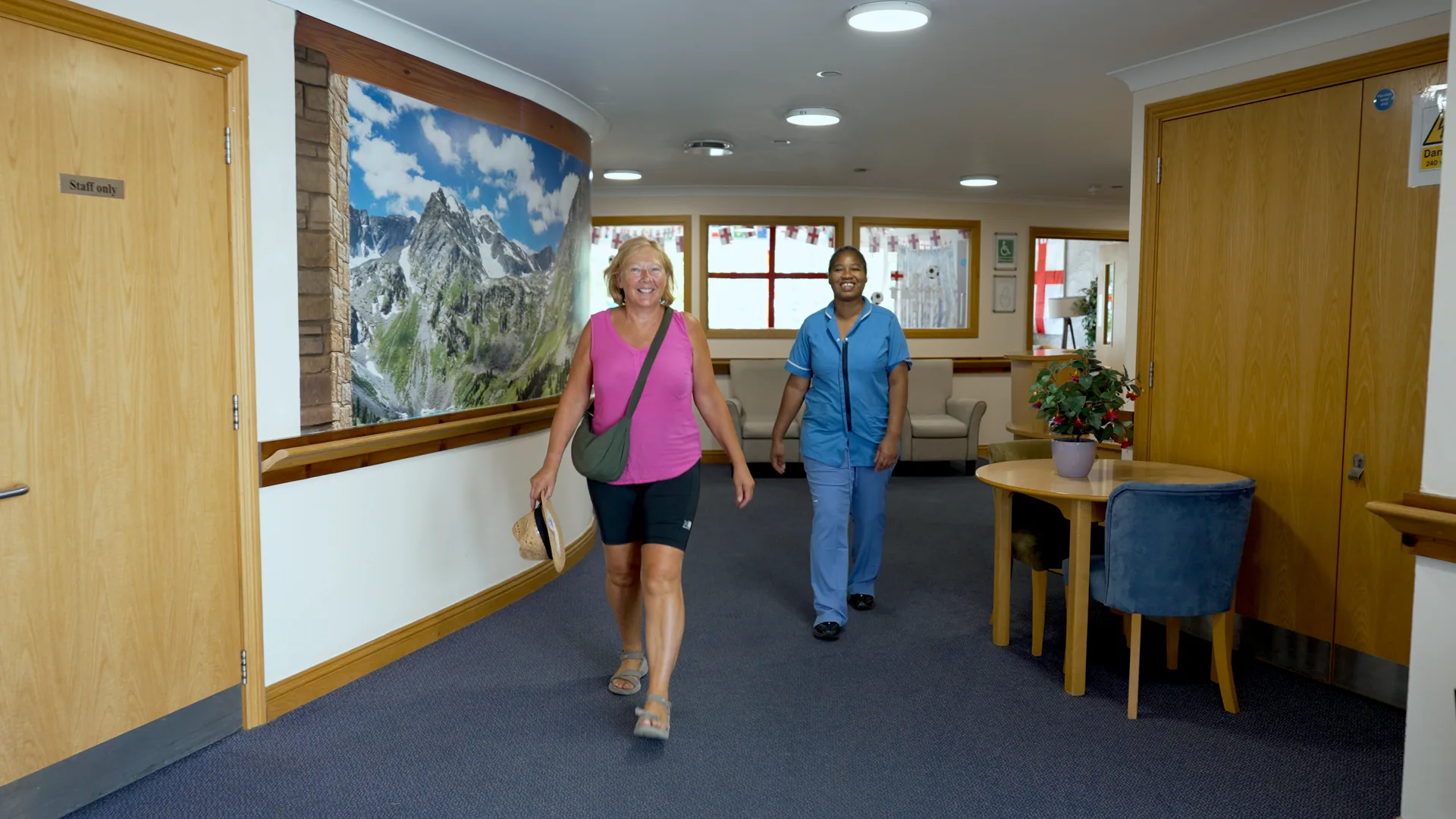
Idea one
Reply the same day, with a person, in a warm and unhurried way. Check who picks up the phone, what happens out of hours, and how quickly email and form messages get a human reply. A family arranging care is often doing it under strain, and the first conversation is part of how they judge the home.
This is the strongest idea because the families are already there. Mediahawk's Care Trends Report for spring 2026 found care home calls and website visitors both up 9% year on year, while the visitor-to-call ratio fell 7.5%. More people are looking and a smaller share are picking up the phone, so what happens next counts for more.
Idea two
It should show an honest picture of an ordinary day:
Families are not looking for a polished tour. They are looking for evidence that the home feels the way it says it does, and that someone they love would be known and looked after.
Ideas 2 and 5 work together. A visit shows daily life to the families who come, and film shows it to the families who have not come yet.
Ideas three and four
Most families start with directories and online search, then check reputation and ask people they trust. In the 2026 Care England and Log my Care survey of 1,000 people arranging care, 55% used directories, 40% used online search and 38% relied on word of mouth. Reputation was the top factor in the final decision, at 30%.
So profiles and reviews are worth keeping accurate and current. Update details and photos, reply to every review, and send a short, kind request, with a direct link, to families who have said thank you.
A directory listing is a strong starting point, with one ceiling: it puts your home beside its competitors, so it helps a family find you without by itself helping them choose you. For how that compares with reaching families earlier, see how a directory listing and advertising do different jobs.
Idea five
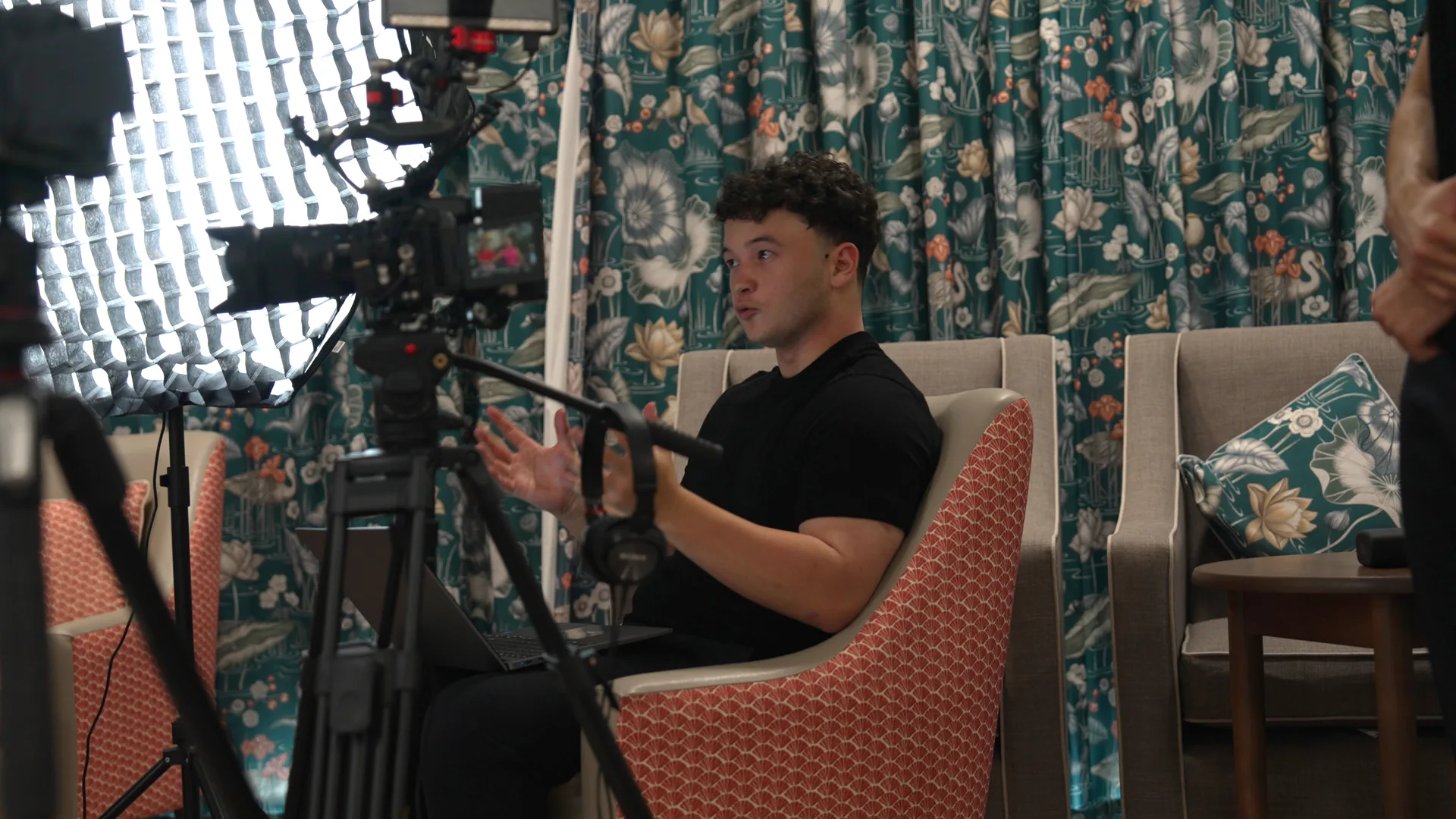
Yes, because they let a family feel the home before they ever call. The same survey found two thirds of families started without clarity on the type of care they needed, and over half reported feeling overwhelmed, anxious or unsure. A short film of a real family and real staff talking about daily life gives them something steady to hold on to.
Films of real families and staff work best when the people are real, the setting is the home as it is, and the film is shown where families already are.
Idea six
What it needs underneath
Advertising does best on top of the first four ideas. If the phone goes unanswered or a profile is out of date, extra interest has nowhere to land.
Ideas seven to ten
These four are slower and more durable.
A website that answers families' real questions gives every other idea somewhere good to land.
Relationships with local professionals who advise families, such as those involved in discharge and social care decisions, earn trusted introductions over time.
Making your home easy for AI search to describe means clear, factual, up-to-date pages and consistent details across profiles.
Local and trade press adds credibility families and AI tools both notice.
None of these is a quick fix, and none replaces ideas 1 to 4. They are what you build while the quicker ideas are already working. For the longer game, read about what raises occupancy over the longer term.
How to choose
This is for owners, directors and registered managers of older people's care homes deciding where to put effort next.
Work on ideas 1 and 2.
Work on ideas 3 to 6.
Add ideas 7 to 10 alongside them.
Heritage Care Partners works with older people's care homes on exactly this, helping them reach families before they search and show what daily life is really like, using real family and staff films.
Common questions
The ideas with the strongest case are answering every enquiry the same day, making the first visit about real daily life, keeping directory and Google profiles current, asking recent families for reviews, and showing real families and staff on film. Advertising to families before they search and a website that answers their questions build on those basics.
Improving how enquiries are answered usually works fastest, because it helps families who are already deciding. Profiles and reviews follow within weeks, while advertising, film and website visibility build over months.
Yes. In the 2026 Care England and Log my Care survey of 1,000 people arranging care, 55% used directories and 40% used online search. The ceiling is that a listing sits beside competitors, so it helps families find you but does not on its own help them choose you.
There is no honest published UK figure, so it is better to judge each idea by what it needs and what it measures. Start with the free or low-effort ideas that fix how enquiries are handled, then add reach once those are working.
Keep reading