The guide
Reassurance, more than anything. Research with 1,000 UK families who had recently arranged care found reputation was the single most important factor in choosing a provider, ahead of cost, staff experience and location. In practice that means an honest picture of daily life, staff with names and faces, other families' words, and plain answers about money. Private-pay families are choosing a home directly rather than being placed in one, so everything hinges on whether they can tell, from outside, that this is a good place.
Updated August 2026
What private-pay families judge, in the order that matters. In brief:
What the research found
Care England and Log my Care surveyed 1,000 UK families who had recently organised care for a relative. Reputation was named as the most important factor by 30 per cent, ahead of cost at 25 per cent, staff experience at 24 per cent and location at 24 per cent.
Only 19 per cent said they used inspection reports when researching, and around 11 per cent counted them among the most important factors in the final decision.
The same research found 97 per cent described the process as difficult and 40 per cent said the hardest part was identifying a provider they could trust.
The five things
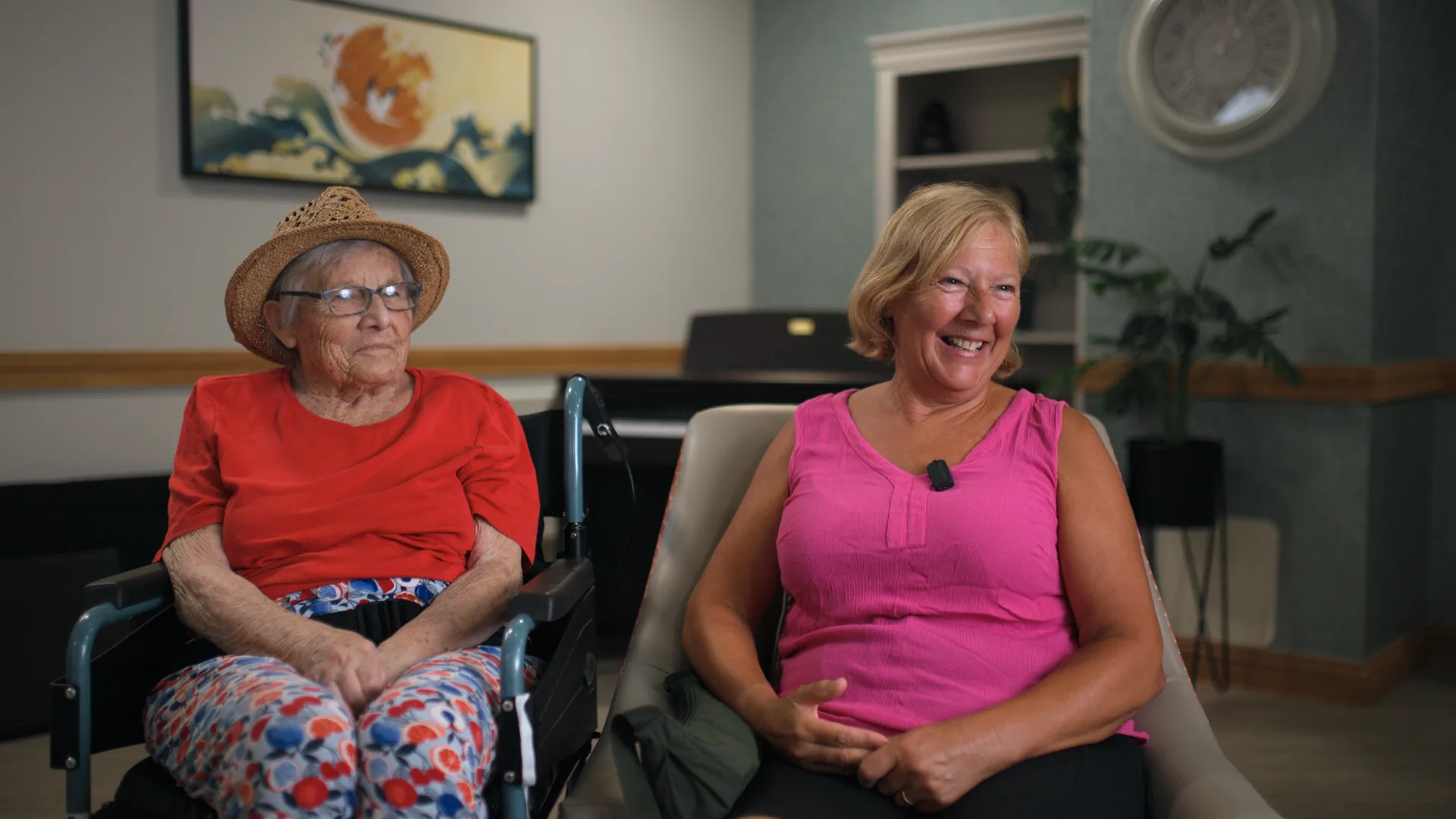
Not facilities. Life. What happens on an ordinary Tuesday, what the food is like, whether the garden is used, whether people seem to know each other. A family is trying to picture their mother in the room, and a list of amenities does not help them do that.
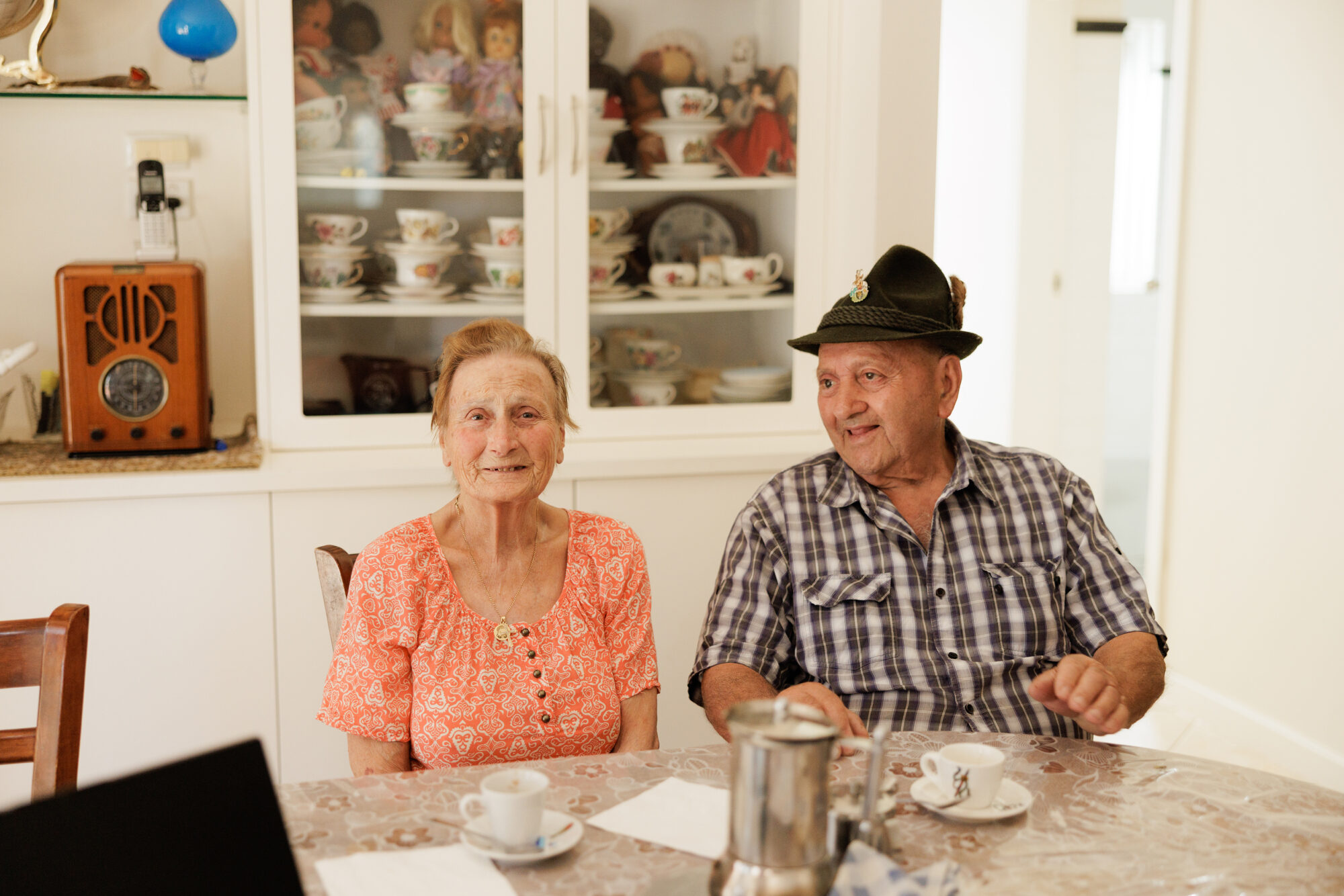
This is why real photographs and honest film of real families matter so much more here than in most sectors. Stock imagery does not just fail to help, it actively signals that you are hiding the real thing.
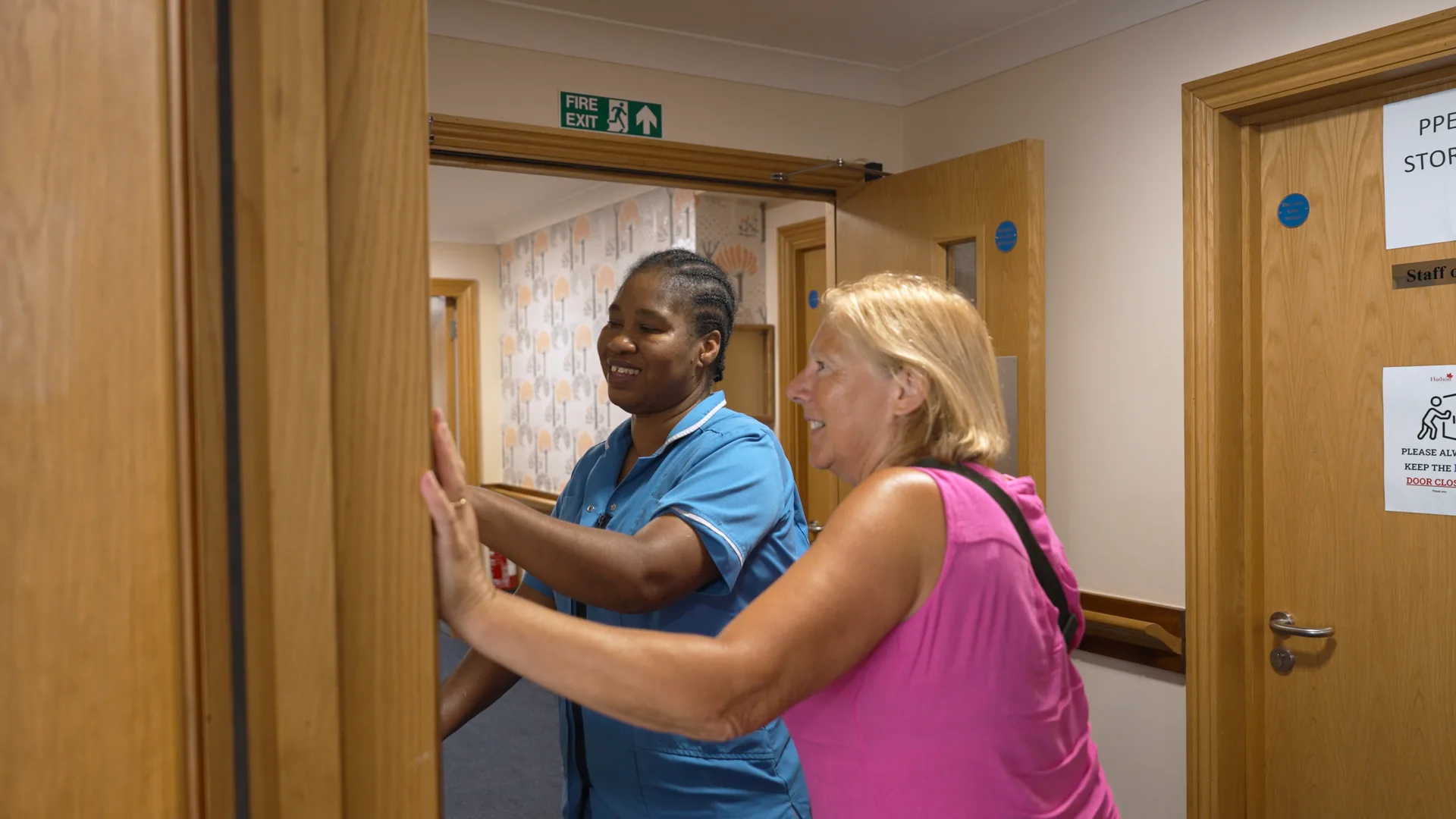
The manager, the head of care, the chef, the activities lead. A named person with a face answers a question the family cannot ask directly: who will actually be looking after my father when I am not there.
Also on their list
Reputation, in practice, is other people's experience made visible. carehome.co.uk carries more than 400,000 reviews across UK homes, which is a fair measure of how much weight families place on each other. Reviews on your Google profile, family stories on your own pages, and consented film all do this job.
Private families are paying directly and are nervous about exactly this. Not necessarily a published price list, but a clear account of what is included, what is not, how fees are reviewed and what the first conversation covers. Total silence about fees makes serious families assume the worst and go elsewhere.
Their first contact with you is part of the evidence. Families are usually approaching several homes at once, in the middle of something difficult. A same-day, thoughtful reply from a named person is a stronger signal than anything on your website.
What puts them off
Any single one of these is usually enough, because they are comparing you against three other homes and reducing a list rather than building a case.
When they decide
The person
Most often an adult child, but frequently a spouse, sibling, niece, nephew or grandchild.
Design everything for that person, on that device, at that hour.
What this means
Most of the work is showing what is already true. Homes that struggle to attract private residents are rarely providing worse care. They are usually providing good care invisibly. The fix is presentation and visibility, not reinvention.
Our pillar on how care homes attract self-funding residents sets out the full picture, and if your home currently runs mainly on brokerage, shifting from local authority placements to self-funders covers that transition specifically.
Common questions
Reassurance, mostly. UK research with 1,000 families who recently arranged care found reputation was the single most important factor in choosing a provider at 30 per cent, ahead of cost at 25 per cent, staff experience at 24 per cent and location at 24 per cent. In practice that means an honest picture of daily life, named staff, other families' words, and plain answers about fees.
No. Cost matters and is named as the second most important factor, but reputation outranks it. A family choosing directly is trying to decide whether their relative will be content and well looked after, and price is the constraint on that decision rather than the basis of it.
Fewer than operators expect. In the Care England and Log my Care research only 19 per cent said they used inspection reports when researching providers, and around 11 per cent counted them among the most important factors in the final decision. Display your rating, but do not rely on it to persuade anyone.
No sense of daily life, stock photography, no fees information at all, out of date pages, and a slow or awkward response to an enquiry. Any one of these is usually enough when they are looking at three other homes.
They choose the home themselves rather than being placed, so they have to find you, understand you and trust you first. That makes visibility, honest presentation and fee clarity far more important than they are for brokerage-led occupancy.
Keep reading